Author name: Terpene Belt Farms

Terpene Belt Farms
Best Terpenes for Concentrates - Featured Image

Best Terpenes for Concentrates: Top Picks and Formulation Guide

Quick Answer: The best terpenes for concentrates are myrcene (sedation, viscosity control), limonene (shelf stability, flavor masking), β-caryophyllene (CB2 activation, heat resistance), pinene (alertness, antimicrobial), and linalool (calming, mouthfeel). Use 2-8% myrcene, 5-20% limonene, 3-15% caryophyllene, 5-20% pinene, and 3-10% linalool depending on format. Mix distillate at 45-50°C, live resin at 35°C. Preserve with nitrogen […]

Best Terpenes for Concentrates: Top Picks and Formulation Guide Read More »
What is Terp Sugar - Featured Image

What Is Terp Sugar: B2B Formulation & Production Guide

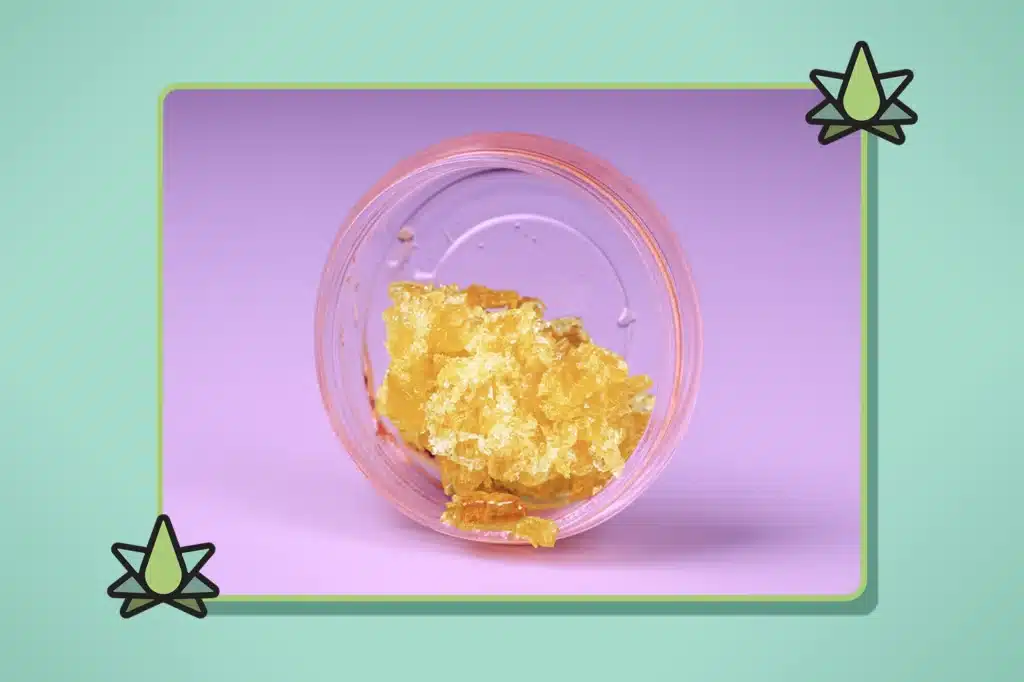
Quick Answer: Terp sugar is a granulated cannabis concentrate with 5-10% terpene content (up to 15% for live resin variants) and a crystalline texture resembling wet sand or raw honey. Created through hydrocarbon extraction and controlled crystallization at 60-70°F, it preserves strain-specific terpene profiles while maintaining 75-85% cannabinoid potency (with premium products reaching 90%), making

What Is Terp Sugar: B2B Formulation & Production Guide Read More »

Best Terpenes for Productivity - Featured Image

Best Terpenes for Productivity in Product Development

Quick Answer: Terpenes offer natural cognitive enhancement without the crash of traditional stimulants. Alpha-pinene enhances memory through acetylcholinesterase inhibition, limonene boosts mood via dopamine modulation, beta-caryophyllene reduces neuroinflammation, and terpinolene provides sustained attention.  These compounds work through multiple neurotransmitter pathways, delivering balanced productivity support for the $16.07 billion nootropics market.  Key Takeaways The global nootropics

Best Terpenes for Productivity in Product Development Read More »

Best Terpenes for Sleep - Feauted Image

Best Terpenes for Sleep: Top Choices for Sleep Products

Quick Answer: The best terpenes for sleep are myrcene (0.5-2% for sedation), linalool (0.3-0.8% for anxiety relief), β-caryophyllene (0.2-0.5% for pain reduction), terpinolene (0.1-0.3% for drowsiness), and pinene (0.2-0.4% for GABA modulation).  These sedating terpenes work well with cannabinoids like CBN and CBD through the entourage effect. Optimal formulations combine 2-4% total terpenes with sleep-supporting

Best Terpenes for Sleep: Top Choices for Sleep Products Read More »

What is Infused Weed - Featured Image

What is Infused Weed? Guide for Product Developers

Quick Answer: Infused weed refers to cannabis flower enhanced with additional concentrates, terpenes, or extracts to increase potency, flavor, and effects. For product developers, understanding infusion techniques provides opportunities to create premium products that meet sophisticated consumer demands while optimizing manufacturing consistency and quality control standards. The cannabis infusion market has evolved into a sophisticated

What is Infused Weed? Guide for Product Developers Read More »

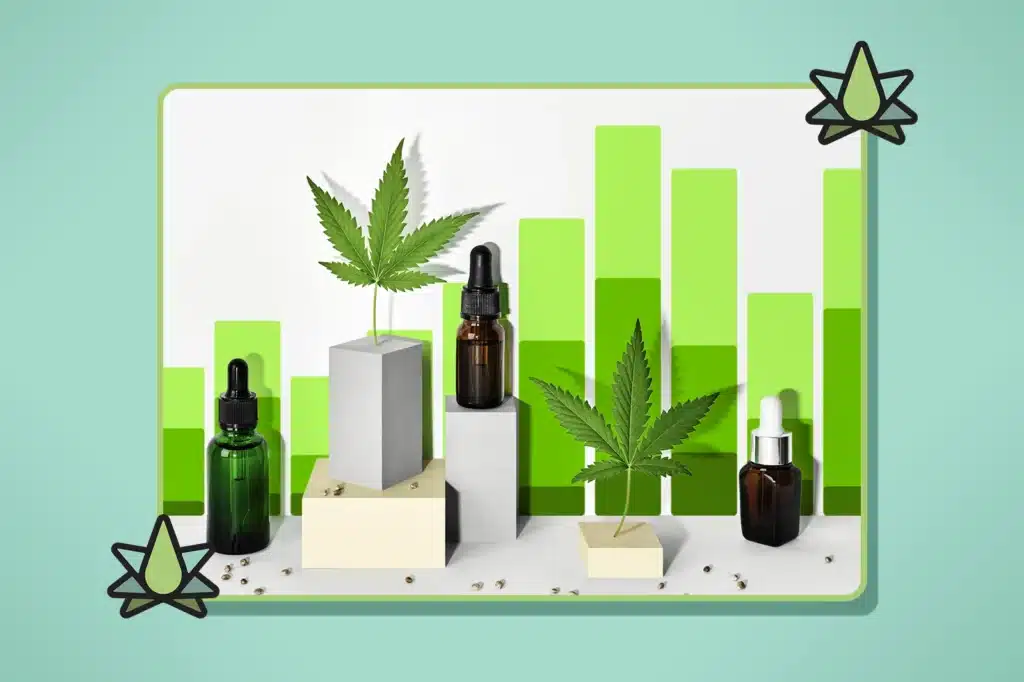
Terpene leaves and dropper bottles placed on pedestals against a green bar graph background represent the terpene percentage in the oil

What is a Good Terpene Percentage in Cannabis Flower?

Quick Answer: A good terpene percentage ranges from 2 to 5% in high-quality cannabis. Some premium strains may contain up to 10% terpenes. For the most part, flower with 2 – 4% total terpenes provides excellent aroma, flavor, and therapeutic benefits, while 4 – 6% represents premium quality. Alongside THC content, terpene content is a

What is a Good Terpene Percentage in Cannabis Flower? Read More »

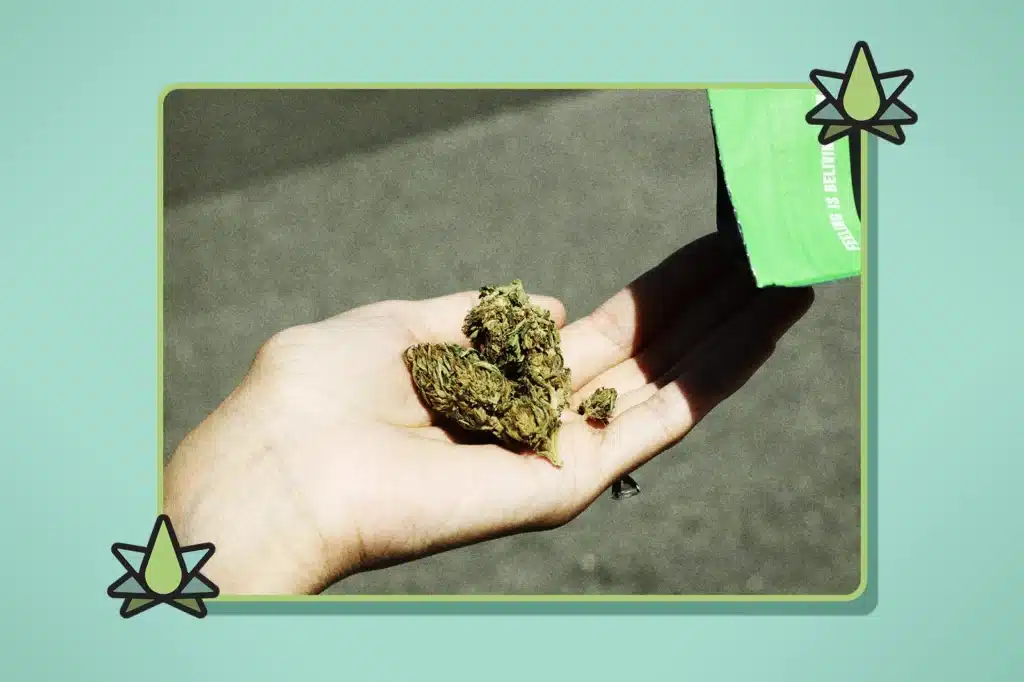
A hand holds Terpene Cannabis buds outdoors

Can You Develop Tolerance to Terpenes: A Formulation Guide

Quick Answer: Terpene tolerance refers to the reduced sensory perception and diminished bioactivity after repeated exposure to specific terpene profiles. While olfactory fatigue is well-documented in aromatics manufacturing, true pharmacological tolerance to terpenes remains scientifically unconfirmed. The distinction between sensory adaptation and pharmacological tolerance has profound implications for your formulation strategy, quality control protocols, and

Can You Develop Tolerance to Terpenes: A Formulation Guide Read More »

What Is High Terpene Full Spectrum Extract (HTFSE): A Technical Guide

Quick Answer: High Terpene Full Spectrum Extract (HTFSE) is a cannabis concentrate containing terpenes alongside cannabinoids. It is created through low-temperature extraction processes that preserve the complete chemical profile of cannabis strains. Unlike standard extracts that prioritize cannabinoid potency, HTFSE maintains the full spectrum of aromatic compounds, resulting in a sauce-like consistency that delivers enhanced

What Is High Terpene Full Spectrum Extract (HTFSE): A Technical Guide Read More »

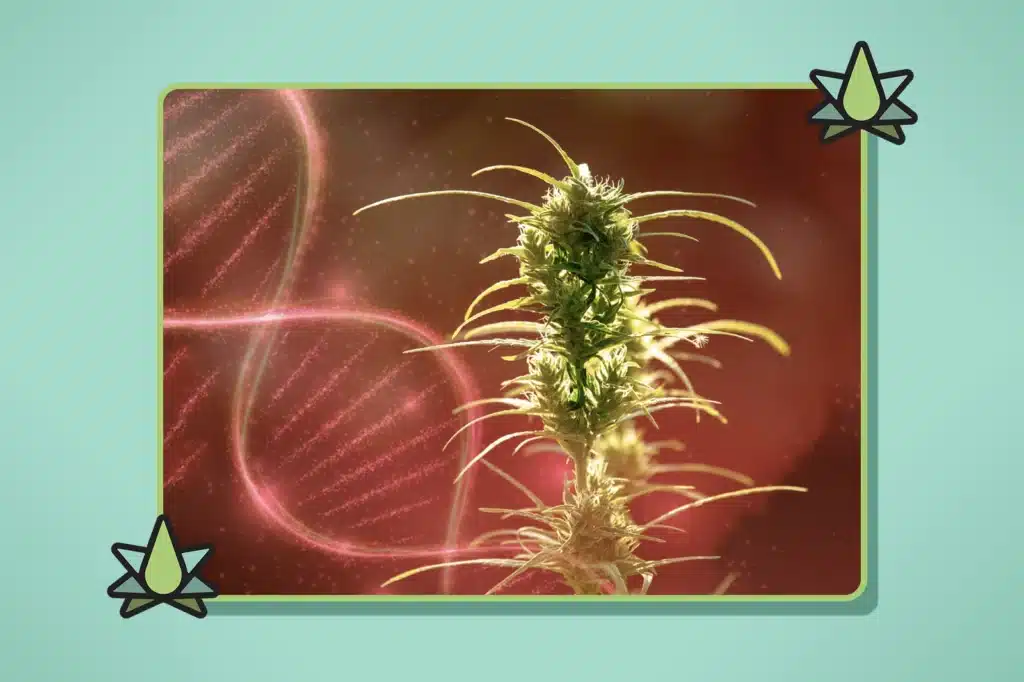
Cannabis plant in front of DNA illustrations

THC Percentage is Dead: 14% Flower Outperforms 30% Flower in Clinical Trials

The $72.83 billion cannabis industry just got a wake-up call. New neurological data from EEG cannabis testing proves everything you thought you knew about potency is wrong—and smart operators are already pivoting. Key Takeaways THC percentage isn’t the best predictor of effects. EEG clinical trials show that lower-THC strains with rich terpene profiles can outperform

THC Percentage is Dead: 14% Flower Outperforms 30% Flower in Clinical Trials Read More »

A man wearing gloves is holding a dropper and pouring terpene oil into a tincture in a garden surrounded by Terpenes plants

How to Use Terpenes: A Complete Guide for Product Formulation

Quick Answer: Terpenes are applied through precise dosing methods ranging from 0.5% to 3% by weight, depending on the application. Professional formulation requires proper dilution ratios, controlled temperature integration, and consideration of stability factors. Cannabis-derived terpenes offer superior complexity and authentic strain profiles compared to botanical alternatives, making them ideal for premium product development across

How to Use Terpenes: A Complete Guide for Product Formulation Read More »

Scroll to Top