Quick Answer: The Dosidos terpene profile features a dominant citrus-forward Limonene base (20-27%), balanced by spicy β-Caryophyllene (11-22%), and grounded by floral Linalool (3-5%). This specific combination creates the signature sweet, earthy, and slightly floral character that cannabis product developers seek when replicating authentic Dosidos genetics in vapes, concentrates, and infused products.
Key Takeaways
- Dosidos is defined by a three-terpene structure led by limonene at roughly 20–27%, supported by beta-caryophyllene at 11–22%, and rounded out with linalool at 3–5%.
- Limonene provides the bright citrus top notes and uplifting character, but must stay below about 30% to avoid sharp, solvent-like deviation from authentic Dosidos expression.
- Beta-caryophyllene adds peppery, woody depth and contributes functional CB2 receptor activity, anchoring the profile and preventing it from feeling thin or overly sweet.
- Linalool supplies subtle floral softness and calming balance, smoothing the citrus–spice interplay and completing the strain’s relaxed-but-functional sensory profile.
- Authentic Dosidos replication relies on cannabis-derived terpene oils, as botanical or synthetic blends lack the minor terpene complexity needed for consistent strain recognition.
- Terpene Belt Farms can help build accurate, batch-consistent Dosidos terpene profiles that translate cleanly across vapes, concentrates, and infused products. Request our sample kits to learn more today.
Dosidos was voted Leafly’s strain of the year for 2021 and for good reason. It has a flowery, peppery flavor with hybrid flavors that make it a decent choice for beginners and advanced enthusiasts alike.
Adding this terpene profile to your lineup is a no-brainer for businesses looking to create products that are a hit with the public.
But, unlike simplistic “cookie” or “dough” flavoring approaches, true Dosidos replication requires cannabis-derived terpene oils that preserve the strain’s molecular complexity. This matters particularly for R&D teams formulating premium products where batch-to-batch consistency determines market success.
This guide breaks down each contributing terpene, identifies authentic cannabis-derived sources, and provides practical formulation strategies backed by commercial manufacturing experience.
Dosidos Terpene Profile
The Dosidos terpene architecture reveals why this strain commands premium pricing and consistent consumer demand. Rather than relying on a single dominant compound, Dosidos achieves its signature through three terpenes working in concert, each contributing distinct aromatic and functional properties that formulators must preserve during product development.
Limonene: Citrus Foundation and Uplifting Drive

Limonene establishes Dosidos’ bright opening character, comprising 20-27% of the total terpene fraction in quality cannabis-derived extractions. This citrus-forward monoterpene provides the immediate aromatic impact consumers recognize, delivering sharp lemon-peel notes that cut through heavier base tones.
Beyond sensory contributions, Limonene functions as a potent mood modulator. Studies demonstrate its anxiolytic properties through serotonergic pathway activation.
Product developers selecting Limonene sources should verify purity and origin, as synthetic or botanical alternatives lack the minor terpene co-factors present in cannabis-derived extractions.
When formulating Dosidos profiles, Limonene concentrations below 18% fail to provide sufficient citrus presence, while ratios exceeding 30% create an overly sharp, cleaning-solution character that deviates from authentic strain expression. The optimal range balances brightness with the earthier components that follow.
In short, Limonene:
- Delivers bright citrus aroma and immediate sensory impact
- Elevates mood and contributes uplifting, anti-anxiety effects
- Balances heavier terpenes, defining Dosidos’ fresh top notes
Beta-Caryophyllene: Spice Complexity and Physical Balance

β-Caryophyllene introduces the peppery, woody depth that prevents Dosidos from becoming one-dimensional. Occupying 11-22% of well-extracted profiles, this sesquiterpene provides not just aromatic complexity but unique pharmacological activity through selective CB2 receptor binding, making it the only dietary terpene with confirmed cannabimimetic properties, as documented by research.
This CB2 selectivity makes β-Caryophyllene particularly valuable for Dosidos formulations targeting physical relaxation without sedation. Manufacturing teams working with distillate or isolate-based products should note that adding β-Caryophyllene at 15-18% ratios enhances the entourage effect even in cannabinoid-only matrices.
The spicy, black pepper character this terpene contributes works synergistically with Limonene’s citrus notes, creating aromatic tension that defines premium Dosidos replication.
Beta-caryophyllene will add the following to your product lineup:
- Peppery, woody depth, and aromatic complexity
- Physical relaxation via CB2 receptor interaction
- The entourage effect and grounds the profile
Linalool: Floral Depth and Calming Integration

Linalool provides the subtle floral undertones and calming influence that complete Dosidos’ complex character, appearing at 3-5% in authentic extractions.
While present at lower concentrations than Limonene or β-Caryophyllene, Linalool plays an outsized role in modulating the overall experience. Its lavender-like aromatics soften citrus sharpness while its documented anxiolytic effects create the relaxed-but-functional balance Dosidos users expect.
Clinical studies confirm Linalool’s ability to reduce anxiety markers through olfactory pathways, suggesting its importance extends beyond simple aroma contribution. For formulators, maintaining Linalool ratios above 3% ensures sufficient floral complexity, while concentrations exceeding 7% risk overpowering the citrus-spice interplay. This precise balance distinguishes amateur from professional Dosidos replication.
To summarize, Linalool:
- Contributes soft floral notes that smooth citrus sharpness
- Promotes calm, relaxed-but-functional effects
- Integrates the profile, creating balance and finish
Authentic Dosidos Terpene Sources from Terpene Belt Farms
Replicating Dosidos authentically requires cannabis-derived terpenes that preserve not just the dominant compounds but the complete minor terpene fraction that defines strain character. Terpene Belt Farms specializes in Fresh Never Frozen extraction—a proprietary method that captures volatile terpenes from hemp at peak ripeness, maintaining the molecular complexity that botanical blends cannot match.
For R&D teams targeting Dosidos profiles, three of our product listings provide reliable pathways to authentic formulation.
2023 Gas #10: Limonene-Forward Foundation
2023 Gas #10 provides the citrus-dominant architecture important for Dosidos replication, featuring 27.68% Limonene alongside 22.63% β-Caryophyllene.
This profile offers product developers a ready-made base requiring only Linalool supplementation to achieve the complete Dosidos character. The elevated β-Caryophyllene content in Gas #10 eliminates the need for separate spice additions, simplifying formulation while maintaining authentic cannabis-derived complexity.
For brands targeting OG-style profiles with sweet gas undertones, a characteristic many Dosidos phenotypes express, Gas #10 serves as an efficient single-source solution. The pronounced fuel notes complement rather than overwhelm the cookie-dough sweetness consumers associate with Dosidos.
2023 Sour #93: Balanced Citrus-Spice Integration
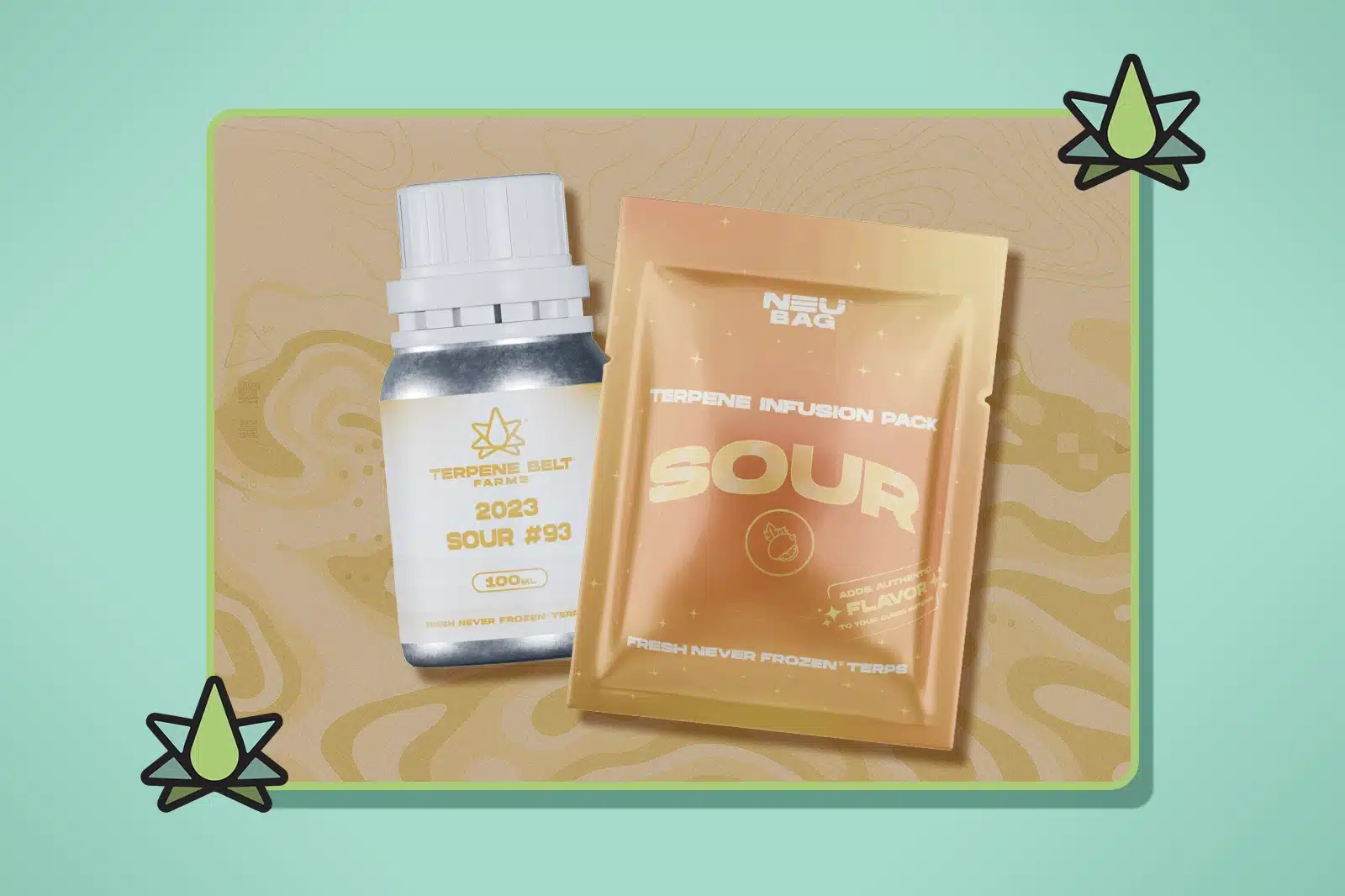
2023 Sour #93 offers a more balanced Limonene-to-Caryophyllene ratio that closely mimics certain Dosidos cuts, particularly those expressing sour lemon rather than pure sweetness.
With 20.64% Limonene and 16.38% β-Caryophyllene, this profile requires less adjustment to achieve Dosidos’ character. Formulators simply need to verify Linalool presence or supplement to the 3-5% target range.
The Sour #93 profile performs particularly well in applications where manufacturers want Dosidos influence without overwhelming other flavor components. Edible developers working with chocolate or coffee matrices find that the citrus-forward but not dominating character integrates cleanly. For concentrate manufacturers targeting high-terpene formulations (8-12% total), Sour #93 provides intensity without the harshness some citrus-heavy profiles introduce.
| Category | 2023 Gas #10 | 2023 Sour #93 |
| Key Terpene Composition | 27.68% Limonene, 22.63% β-Caryophyllene, low Linalool | 20.64% Limonene, 16.38% β-Caryophyllene, moderate Linalool (verify/supplement) |
| Role in Dosidos Replication | Strong citrus-gas foundation with built-in spice; requires only Linalool to finish profile | Balanced citrus–spice architecture matching sour-leaning Dosidos cuts |
| Best Use Cases | OG-style Dosidos phenotypes, fuel-forward expressions, simplified single-source formulation | Edibles (chocolate, coffee), blended flavor systems, high-terpene concentrates without harshness |
Formulation Strategies for Dosidos-Inspired Products
Converting terpene knowledge into commercial products requires formulation approaches that account for application-specific constraints.
Whether developing vape cartridges, live resin concentrates, or infused pre-rolls, manufacturers must adapt Dosidos terpene profiles to their specific matrix while preserving strain authenticity.
The following strategies reflect best practices from R&D teams successfully producing Dosidos products at a commercial scale.

Selecting Primary Terpene Sources
Start by comparing available cannabis-derived profiles against your Dosidos target specification. If working with limited SKUs, prioritize oils with Limonene content between 20-28% as this establishes the citrus foundation most Dosidos expressions require.
Check β-Caryophyllene levels next. Ratios above 15% reduce the need for supplementary additions, while ratios below 10% may require blending multiple sources to achieve proper spice character.
For Linalool content, most single-source cannabis terpenes provide 3-6%, falling within Dosidos range without adjustment. However, if using a Limonene-dominant source with insufficient Linalool, consider whether your application allows supplementation or if you should select a different base profile.
In distillate formulations where total terpene content reaches 8-12%, Linalool deficiencies become particularly noticeable to discerning consumers. For vape cartridge applications, aim for complete profile coverage rather than accepting gaps in the aromatic architecture.
Adjusting for Application-Specific Requirements
Vape cartridge formulation demands attention to viscosity and vaporization temperature stability. When adding terpenes to distillate, maintain total terpene content between 5-8% for optimal hardware performance across standard 510-thread devices. Higher concentrations risk flooding or leaking, while lower percentages fail to deliver authentic Dosidos character.
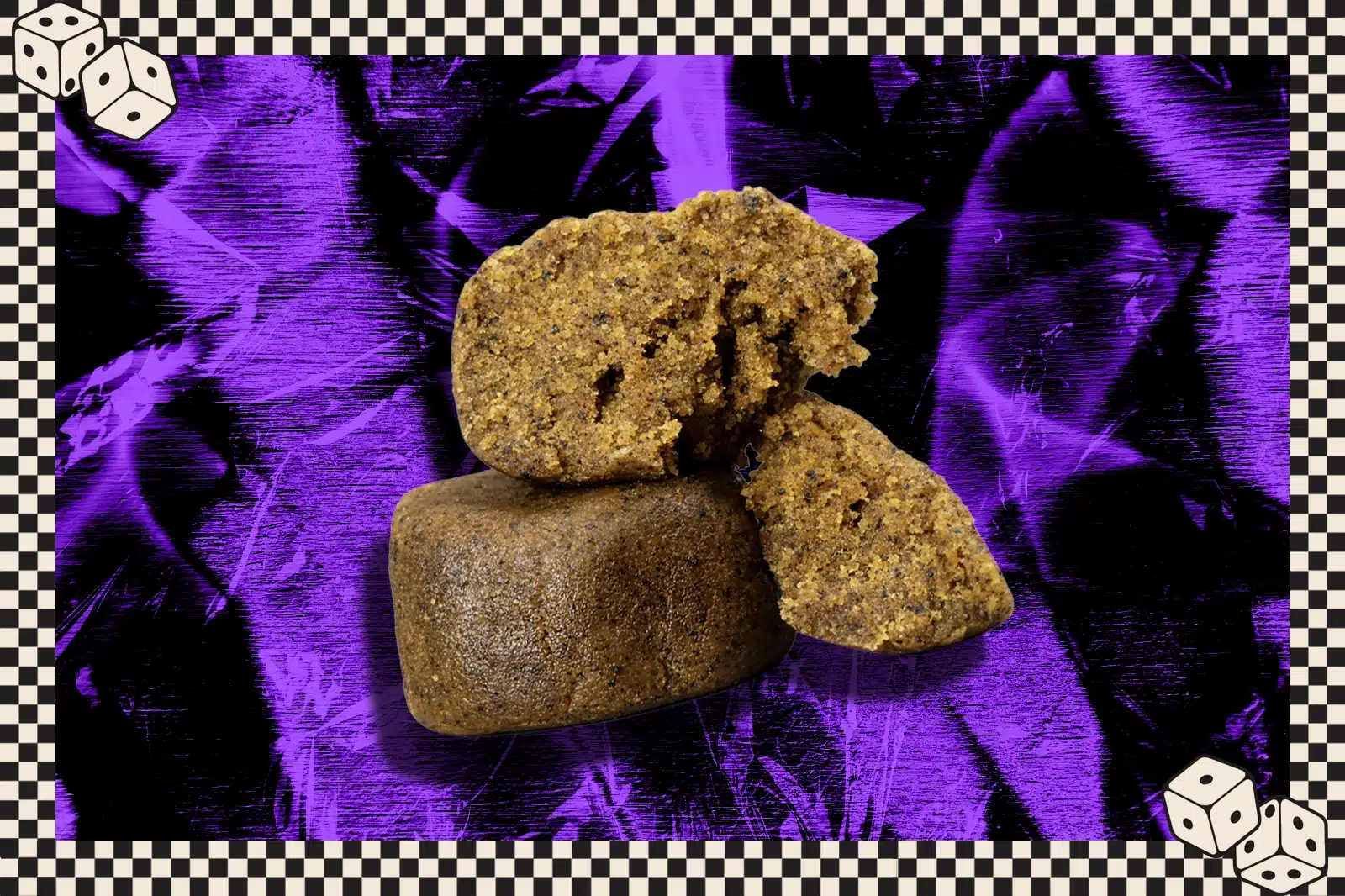
Concentrate enhancement is a completely different conversation. Live resin or hash products already contain residual terpenes, so additions should complement rather than dominate. Start testing at 2-3% total added terpenes, gradually increasing to 5% maximum.
For concentrate applications, Sour #93’s balanced profile prevents overwhelming existing terpene fractions. R&D teams working with concentrates report that gradual integration while material remains warm ensures even distribution without terpene separation.
Flower infusion requires vapor-phase application techniques for proper penetration and retention. NEU Bag technology enables controlled terpene infusion without moisture introduction or uneven coating. When enhancing flower with Dosidos profiles, target 1-3% total terpene addition relative to flower weight.
Quality Control and Batch Consistency
Implement sensory panel testing for each production batch before scaling. Train panel members on authentic Dosidos aromatics using reference standards, whether from dispensary-sourced flower or previously validated production batches. Document specific characteristics: initial citrus brightness, mid-palate spice development, and floral finish. Any deviation from established sensory targets indicates formulation variance requiring correction before commercial release.
Maintain detailed batch records linking specific terpene lot numbers to finished product SKUs. When Terpene Belt Farms releases new vintages or harvest years, conduct side-by-side testing against previous sources to verify consistency. Small variations between harvests, natural to agricultural products, rarely impact finished goods when base formulations remain sound, but documenting these differences prevents confusion during quality investigations.
Closing Thoughts: Why Terpene Belt Farms for Dosidos Terpenes
Cannabis product manufacturing demands consistent, high-quality inputs that perform reliably across production runs and regulatory jurisdictions. When replicating strain-specific profiles like Dosidos, the difference between authentic cannabis-derived terpenes and simplified botanical blends determines whether your product achieves premium positioning or commodity status. Terpene Belt Farms addresses this fundamental challenge through vertical integration by controlling hemp cultivation, harvest timing, and extraction methodology from a single source.
The Fresh Never Frozen extraction process Terpene Belt Farms employs preserves volatile terpenes that flash-freezing or traditional curing methods sacrifice. By processing material immediately after harvest and maintaining cold-chain protocols throughout extraction, Terpene Belt captures the complete terpene spectrum present in living plants. This results in oils that more faithfully represent authentic Dosidos genetics than competitors sourcing from dried material or using synthetic recreations.
Looking to work with the best in terpenes? Shop the Terpene Belt Farms sample kits for your R&D and replicate authentic Dosido profiles in your lineup at scale.
Frequently Asked Questions About Dosidos Terpene Profiles
What’s the Difference Between Dosidos Terpenes and Actual Dosidos Flower?
Dosidos terpene oils contain only the aromatic compounds extracted from hemp with similar genetic profiles, while Dosidos flower includes cannabinoids (THC, CBD), plant material, and additional minor compounds.
Terpene oils allow product developers to recreate Dosidos’ signature aroma and complement cannabinoid formulations without using the actual strain, making them ideal for distillate products, concentrate enhancement, or creating consistent experiences across different product formats.
Can I Use Dosidos Terpene Profiles for Non-Cannabis Products?
Yes, cannabis-derived terpenes from hemp sources are federally compliant under the 2018 Farm Bill and can be incorporated into various consumer products, including aromatherapy items, cosmetics, and beverages. However, product developers should verify state-specific regulations and intended use restrictions before formulation.
How Do I Prevent Terpene Separation in My Finished Products?
Terpene separation typically occurs when oil is added to matrices at incorrect temperatures or without adequate mixing. For distillate applications, warm the base material to 100-120°F before adding terpenes, then mix thoroughly for 3-5 minutes to ensure complete integration. For concentrates, incorporate terpenes while the material remains viscous but not fully solid, which normally happens at 80-100°F depending on extract type.
How Much Terpene Should I Add to Achieve Authentic Dosidos Character?
Vape cartridges perform best at 5-8% total terpenes, concentrates at 3-6%, and flower enhancement at 1-3%. Within these ranges, actual requirements depend on desired intensity, base material characteristics, and consumer preferences in your market. Start formulation testing at the lower end of the appropriate ranges and increase gradually based on sensory panel feedback.
Sources Used for This Article
- PubMed: “Polypharmacological Properties and Therapeutic Potential of β-Caryophyllene: A Dietary Phytocannabinoid of Pharmaceutical Promise” – pubmed.ncbi.nlm.nih.gov/26965491/
- ScienceDirect: “Effects of inhaled Linalool in anxiety, social interaction and aggressive behavior in mice” – sciencedirect.com/science/article/pii/S0944711309002578
- PubMed: “Limonene has anti-anxiety activity via adenosine A2A receptor-mediated regulation of dopaminergic and GABAergic neuronal function in the striatum” – pubmed.ncbi.nlm.nih.gov/33548867/