Key Takeaways
- Jack Herer is a sativa-dominant hybrid from Haze, Northern Lights #5, and Shiva Skunk genetics, developed by Sensi Seeds in the 1990s.
- Its terpene profile is dominated by terpinolene at roughly 34–40%, with trans-beta-ocimene, beta-phellandrene, caryophyllene, myrcene, limonene, and pinene supporting.
- The aroma combines pine, wood, herbs, citrus, floral sweetness, spice, and earthy depth, with different compounds becoming more prominent as heat changes volatility.
- Commercial replications often miss beta-phellandrene because standard GC-MS and GC-FID testing may not reliably quantify it under typical analytical conditions.
- Ocimene isomer selection also matters, since Jack Herer specifically relies on trans-beta-ocimene for its floral-sweet lift.
- Terpene Belt Farms identifies Citrus #7, Pine #122, and Pine #128 as the closest CDT matches to Jack Herer’s terpinolene-forward structure.
- Work with profiles that are unmatched in quality by using Terpene Belt Farms’ Fresh Never Frozen CDT options for more strain-authentic Jack Herer formulations. Shop our samples to learn more today.
Some strains build their reputation on THC numbers. Jack Herer built its reputation on terpenes.
Created in the Netherlands in the 1990s and named after one of cannabis’s most vocal advocates, it went on to win more Cannabis Cup titles than most strains can count, and was eventually recognized as a medical-grade cultivar by Dutch pharmacies. The aroma and character that got it there is rooted almost entirely in a terpene composition that, three decades later, most of the industry still cannot accurately replicate.
That difficulty is not random. It comes from two compounds that standard testing regularly misses, an ocimene isomer that most blends substitute incorrectly, and a dominant terpene with a narrower dosing window than most formulators expect. Before this profile can serve as a reliable formulation reference, it helps to know what you are actually working with.
The Strain Behind the Name: Jack Herer’s Origins and Genetics
Jack Herer the man was a cannabis activist and the author of “The Emperor Wears No Clothes,” one of the most influential pro-cannabis books ever published.
According to Leafly, Sensi Seeds created the strain in the Netherlands in the mid-1990s, where it was later distributed by Dutch pharmacies as a recognized medical-grade cultivar. It was a deliberate tribute from a seed company that had sponsored the book years earlier, and the strain was designed to carry his legacy forward in every possible way.
The genetic construction was purposeful rather than accidental. Sensi Seeds combined a Haze hybrid with a cross of Northern Lights #5 and Shiva Skunk, each parent chosen for specific contributions to the final plant. The result is a 55% sativa-dominant hybrid whose terpene architecture is a direct product of all three genetic threads working together.
What the Genetic Strains Brought to the Table
Each parent in Jack Herer’s lineage contributed something structurally distinct to the profile, and those contributions explain why the final strain expresses the way it does.
Haze provided the sativa backbone: the cerebral character, the bright and assertive aroma, and the terpinolene-forward expression that defines the strain’s top-note signature. Northern Lights #5 brought resin production, body structure, and the earthy grounding that keeps the Haze brightness from reading sharp or thin in isolation.
Shiva Skunk, itself a cross of Northern Lights #5 and Skunk #1, layered in additional terpene complexity. The spicy, skunky depth associated with that lineage contributes to the caryophyllene and myrcene presence in Jack Herer, which function as the structural middle and base notes of the overall profile.
This is a strain built by stacking complementary aromatic expressions, not by letting one terpene dominate without context.
- Haze: Terpinolene dominance and the piney, citrusy, energetic top-note character
- Northern Lights #5: Earthy myrcene depth, resin production, and body structure
- Shiva Skunk: Spicy caryophyllene layering and overall terpene complexity
Why the Genetics Still Hold Up Decades Later
Most legacy strains lose consistency as they pass between breeders and markets. Jack Herer is unusual because its phenotype expression, while variable in minor ways, reliably maintains the terpinolene-dominant profile that made it famous in the first place.
The combination of Haze genetics with the grounding influences from Northern Lights and Skunk lineage created a chemical architecture stable enough to remain an industry benchmark for decades.
That genetic stability is part of why the strain appears so consistently as a formulation reference point. When someone says a blend should smell like Jack Herer, there is a specific, documented, chemical target behind that claim. It is also what makes getting it wrong so immediately apparent to anyone familiar with the original.

What Jack Herer Smells and Tastes Like
Before breaking down what creates Jack Herer’s aroma chemically, it helps to put the sensory experience on the table plainly. The profile opens piney and woody, with a brightness that leans citrus and slightly floral rather than dense or herbal. There is a spicy, peppery middle note underneath, and a faint earthy sweetness at the base that keeps the whole thing from reading sharp or medicinal. It is assertive without being overwhelming.
The Aroma: Piney, Woody, Herbal, with a Citrus Lift
Jack Herer’s aroma is what advocates point to when making the case that strain character is more than a single dominant compound can capture. The top note opens with terpinolene’s piney, slightly citrusy brightness. Trans-beta-ocimene adds a sweet, almost tropical lift that prevents the profile from leaning too dry or harsh.
Below that, beta-phellandrene contributes a green, minty woodiness that rounds out the mid-aroma in a way that most commercial blends miss entirely.
The result is a scent that is immediately recognizable to anyone who has spent time with classic sativa genetics. Among the terpene-rich cannabis strains that have stood the test of time, Jack Herer holds a specific position because its aroma alone can identify it before anything else is known about the product.
The Flavor: Where the Spice and Earthiness Come From
The flavor profile shifts slightly from the aroma during consumption. The terpinolene and ocimene brightness carry through on the inhale, giving that familiar pine-citrus opening, but the spice component becomes more prominent as heat works through the profile.
Caryophyllene is largely responsible for this: as the more volatile top-note compounds dissipate through heat, caryophyllene’s peppery character steps forward and defines the mid-flavor experience.
Myrcene contributes an earthy, resinous finish that grounds the experience on the exhale. This relationship between heat and terpene volatility is not just a sensory detail. It is directly relevant to formulators choosing product formats, because the compounds that lead the aroma are not always the same ones leading the flavor during consumption.
That distinction matters when deciding which elements of the profile to anchor a formulation around.
Jack Herer Terpene Profile: Compound-By-Compound
Jack Herer’s full terpene architecture is more layered than the terpinolene headline suggests. While terpinolene clearly drives the profile, the compounds sitting at 7–10% concentration are doing critical structural work, and the minor compounds below contribute to the character details that take a generic piney blend to a high-quality replication. This is where formulation decisions get precise, and where sourcing carries real consequence.
1. Terpinolene
Terpinolene is the dominant terpene in Jack Herer at 34–40%, a concentration that is genuinely unusual in cannabis. Most cultivars where terpinolene appears at all keep it below 15%, often in the single digits.
At 34–40%, it becomes the opening event of the entire sensory profile: the sharp, piney, slightly citrusy top note that most people identify as the “Jack Herer smell” is terpinolene operating at full scale.
From a biological standpoint, a 2021 systematic review on ScienceDirect documented that research suggests terpinolene carries antioxidant, antifungal, and anti-inflammatory properties based on analysis across multiple preclinical studies.
For formulators, the more pressing characteristic is volatility: terpinolene degrades faster than most other major terpenes and has a narrow window between underdosing, which makes the blend read generic, and overdosing, which makes it read abrasive and one-dimensional. Getting this compound right requires both chemical accuracy and controlled formulation conditions.
2. Trans-Beta-Ocimene
Ocimene in Jack Herer runs at approximately 9–10%, but the specific form matters as much as the percentage. Advanced analytical research on authentic Jack Herer flowers identifies trans-beta-ocimene as the correct isomer present in the plant.
Ocimene exists in multiple isomeric forms with meaningfully different aromatic qualities: the trans-beta form is intensely sweet and floral, cutting through the woody terpinolene brightness and preventing the profile from reading too dry. A different isomer or a generic ocimene isolate simply does not produce the same result.
Beyond its aromatic role, research suggests ocimene carries antiviral, antifungal, and anti-inflammatory properties, with studies documenting inhibitory activity against specific viral and fungal pathogens in essential oil research.
3. Beta-Phellandrene
Beta-phellandrene is the compound most likely to be absent from any Jack Herer blend on the market, and the reason is entirely technical. Standard GC-MS and GC-FID analytical testing, the methods behind the vast majority of COAs in the cannabis industry, cannot reliably detect or quantify beta-phellandrene due to co-elution with other monoterpenes under standard analytical conditions.
Without access to two-dimensional gas chromatography, it is effectively invisible in the data. Because most suppliers formulate from standard COA references, beta-phellandrene consistently gets left out.
In authentic Jack Herer flower, it runs at approximately 7–9%, contributing a minty, woody, green character that tempers the sometimes sharp quality of high-concentration terpinolene. Without it, a Jack Herer blend can feel incomplete even when the terpinolene, ocimene, and caryophyllene numbers look correct on paper.
4. Caryophyllene and Myrcene
Caryophyllene runs at 8–14.7% in Jack Herer depending on the phenotype, making it the second most prominent compound in many expressions of the strain. It provides the spicy, peppery character that becomes most prominent in the mid-note aroma and during consumption.
A 2016 PubMed study confirmed that caryophyllene exerts anti-inflammatory effects by selectively activating the CB2 receptor, making it the only known terpene to interact with the endocannabinoid system in this way. For formulators, it contributes structural weight that keeps terpinolene from reading flat as much as it contributes the spice character.
Myrcene sits at approximately 7% in Jack Herer, a supporting concentration rather than a dominant one.
This is intentional from a sensory standpoint: myrcene is earthy, musky, and dense, and at 7% it adds cohesion and weight to the base of the profile without muddying the bright top notes that define the strain’s opening character. It is the kind of compound you notice more in its absence than in its presence.
5. Limonene and Pinene
Limonene appears at 5–11% depending on the phenotype, contributing the citrus brightness that complements terpinolene’s piney character. It rounds the top note rather than sharpening it, preventing the profile from reading chemically harsh and adding the sour-citrus impression that makes Jack Herer feel refreshing rather than medicinal.
Pinene reinforces the conifer character without replicating terpinolene’s role, supporting the pine impression and adding a secondary aromatic layer that increases overall complexity.
The broader lesson when comparing indica vs sativa terpenes is that Jack Herer stands apart from generic piney profiles because every supporting compound is present at a meaningful concentration with a defined aromatic job. Nothing here is filling space.
| Compound | Typical % | Aromatic Role | Formulation Note |
| Terpinolene | 34–40% | Piney, citrusy, herbal top note | Highly volatile; narrow dosing window |
| Trans-Beta-Ocimene | ~9–10% | Floral sweetness, tropical lift | Isomer specificity is critical |
| Beta-Phellandrene | ~7–9% | Minty, green woodiness | Invisible to standard GC-MS |
| Caryophyllene | 8–14.7% | Spicy, peppery mid-note | CB2 agonist; structural base weight |
| Myrcene | ~7% | Earthy, musky cohesion | Grounds the bright top notes |
| Limonene | 5–11% | Citrus brightness | Prevents terpinolene from reading harsh |
| Pinene | ~3–8% | Conifer depth | Reinforces pine without crowding terpinolene |
Why Jack Herer Is One of the Hardest Profiles to Replicate
Jack Herer has been one of the most commercially replicated strain profiles in the terpene industry for years. It has also been one of the least accurately reproduced. Here’s why.
Standard GC-MS Testing Has a Blind Spot for Beta-Phellandrene
The cannabis industry relies heavily on GC-MS and GC-FID analysis for terpene COAs, and these methods are robust for most compounds. Beta-phellandrene presents a specific problem: its co-elution with other monoterpenes under standard analytical conditions makes accurate detection and quantification unreliable, so it does not appear on the vast majority of terpene COAs in the market.
When a supplier formulates a Jack Herer blend using standard COA data as the reference, they are working from a blueprint missing one of the profile’s structurally important pieces.
The bottom line for formulators is direct: if a supplier cannot confirm they have specifically sourced or included beta-phellandrene, there is a high probability it is not in the blend.
Ocimene Isomers Are Not Interchangeable
Ocimene is widely available from botanical isolate suppliers, but “ocimene” on a COA does not specify which isomeric form is present. Trans-beta-ocimene, cis-beta-ocimene, and allo-ocimene have different aromatic qualities: the trans-beta form produces the intensely sweet, floral lift that characterizes Jack Herer, while other forms produce a noticeably different aromatic impression.
Most botanical suppliers do not specify the isomer because most applications do not require that level of detail. Jack Herer is one of the cases where it genuinely does.
A blend using the wrong ocimene isomer will read broadly piney and herbal but the specific floral sweetness that rounds out the profile will not be there. This is a relatively obscure sourcing detail, but it directly explains why many Jack Herer blends fall just short of accurate when evaluated against authentic flower.
Terpinolene Has a Narrow Dosing Window
At 34–40% of the profile, terpinolene is not functioning as an accent. It is the structural foundation, and it needs to be treated that way in formulation. The challenge is that terpinolene’s aromatic character does not scale linearly with concentration: underdosed, the blend reads generic and lacks the defining brightness; overdosed, it tips into abrasive, one-dimensional territory.
The accurate target window is narrow, and hitting it consistently requires both precise measurement and controlled formulation conditions.
Terpene preservation adds another layer of complexity here. Terpinolene is among the more volatile monoterpenes in the cannabis profile, degrading faster than sesquiterpenes like caryophyllene under heat, light, and oxygen exposure. Getting the dosing right at the formulation stage is one challenge. Maintaining that ratio through production, packaging, and shelf life is a separate challenge that adds compounding difficulty to accurate replication over time.

TBF Products That Mirror the Jack Herer Terpene Composition
Since Jack Herer is a strain rather than a TBF product, the practical path for formulators is identifying CDT profiles from the current catalog whose terpene compositions overlap most closely with authentic Jack Herer flower. Three profiles are worth evaluating, each offering a different angle on the terpinolene-dominant architecture that defines the strain.
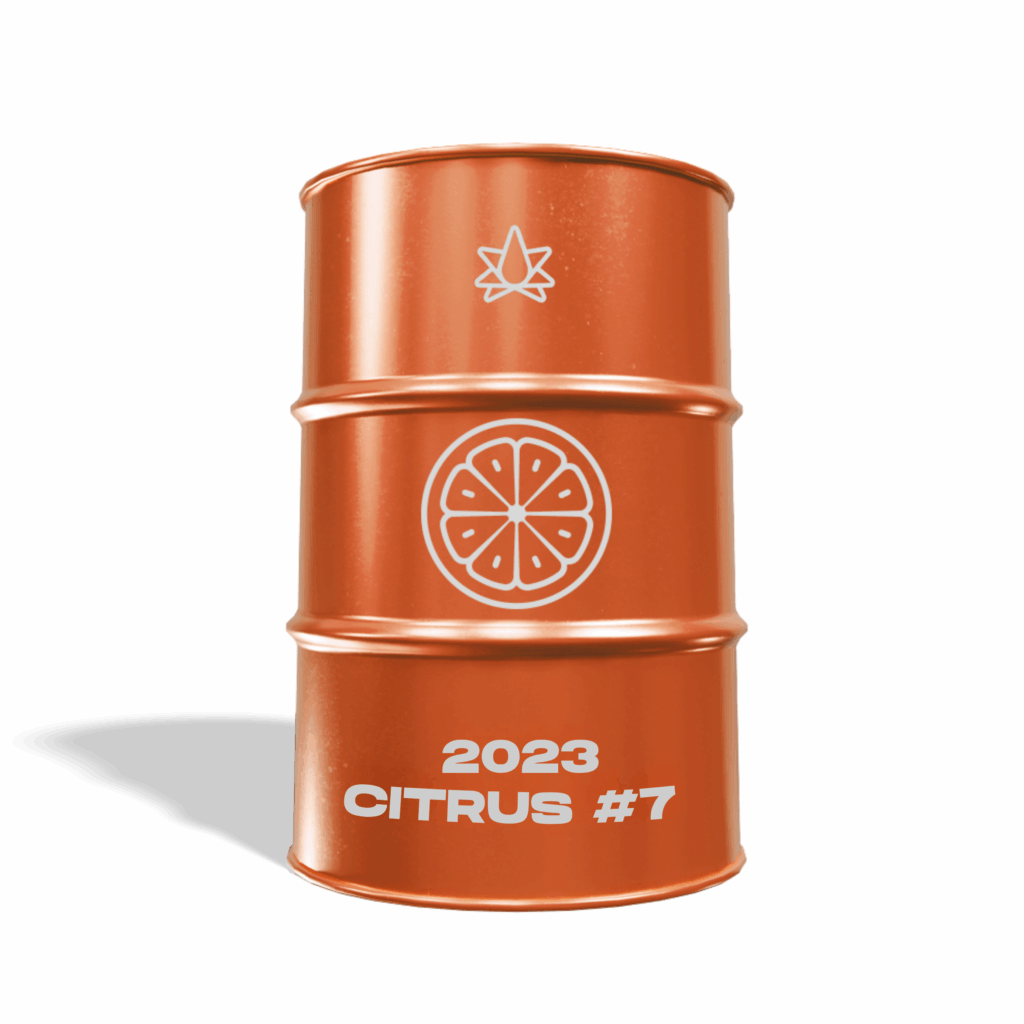
2023 Citrus #7 (Terpinolene 38.15%, Ocimene 9.80%, Limonene 6.24%, Pinene 3.04%) is the closest structural match to Jack Herer’s terpinolene-ocimene fingerprint in our catalog. The terpinolene concentration sits almost exactly within the authentic Jack Herer range, and the ocimene at 9.80% directly mirrors the compound ratio that produces the strain’s floral-sweet lift.
Grown in Byron, California and extracted Fresh Never Frozen, Citrus #7 evokes Clementine, Cali-O, and Agent Orange, making it particularly well-suited to vape and concentrate formulations where citrus brightness and a clean piney aroma are the primary targets.
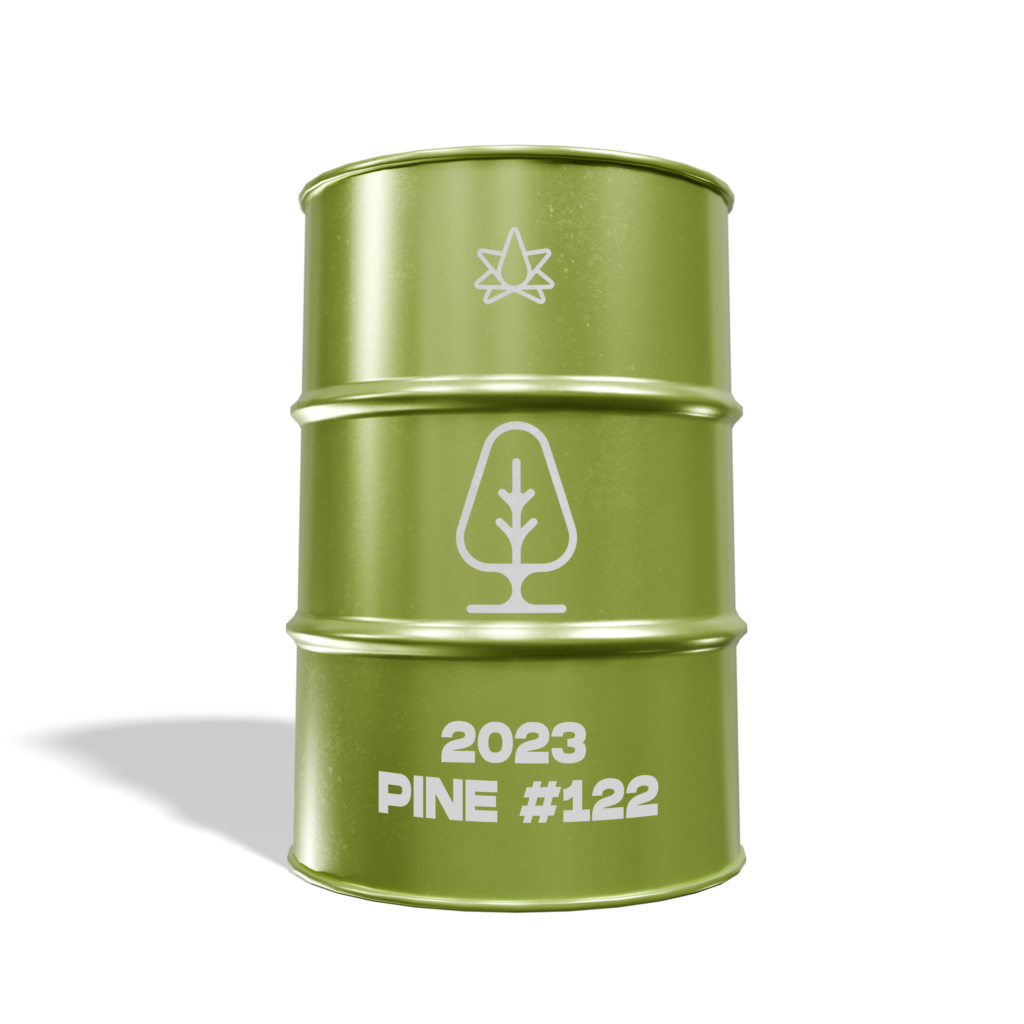
2023 Pine #122 (Terpinolene 40.4%, Myrcene 7.57%, Limonene 6.49%, Caryophyllene 5.48%, Pinene 3.29%) leads with the highest terpinolene concentration in the current catalog, slightly exceeding even the upper range of Jack Herer flower data.
The myrcene and caryophyllene support structure mirrors the base note architecture of the strain’s earthier, spicier phenotype expressions, with a Durban Poison-adjacent character that suits brands positioning around daytime clarity and focus. This is the right profile when the formulation goal is maximum terpinolene intensity with genuine base-note grounding underneath it.
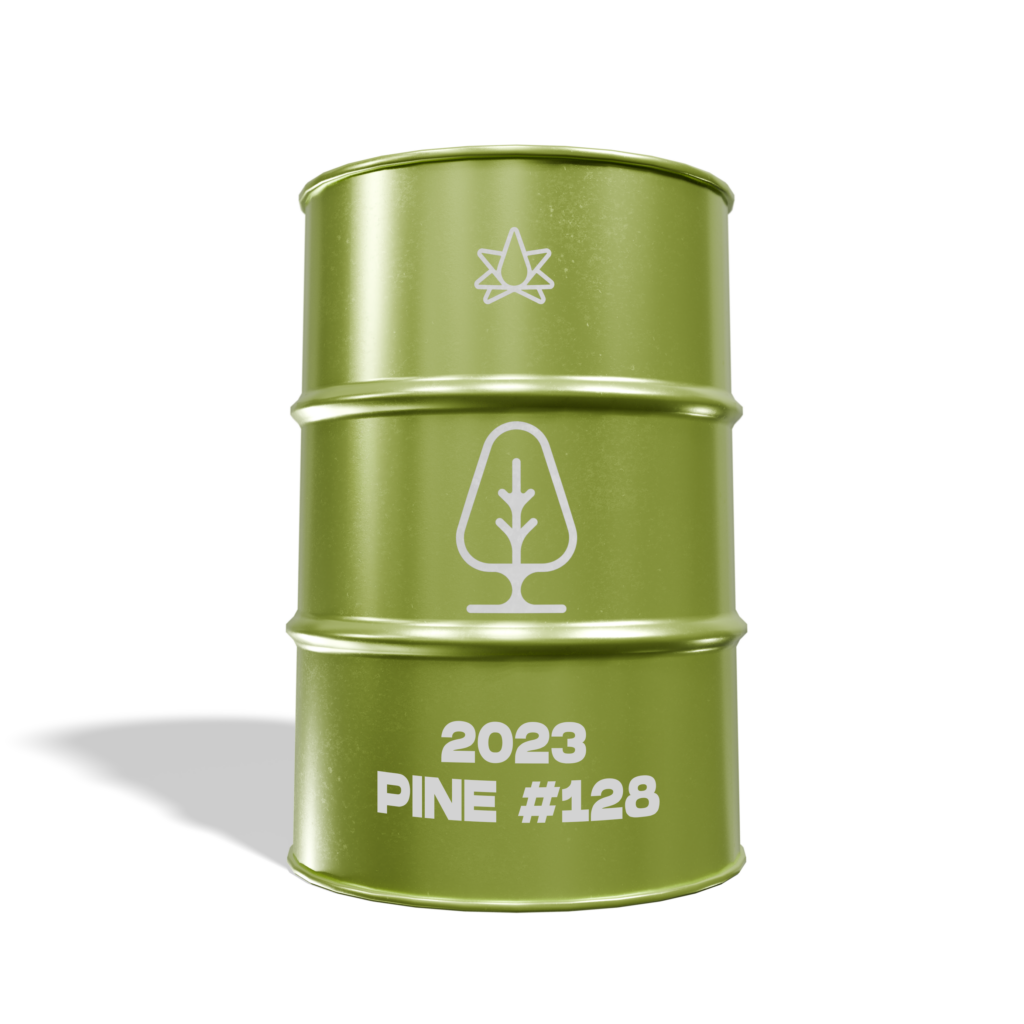
2023 Pine #128 (Terpinolene 21.82%, Ocimene 9.79%, Limonene 11.58%, Myrcene 10.25%, Caryophyllene 5.02%) takes a different approach to the same aromatic space. The terpinolene is lower than the two profiles above, but the ocimene at 9.79% and elevated limonene deliver the citrus-forward, floral mid-note structure that specifically mirrors the sweeter phenotype expressions of Jack Herer.
For formulators who want the Jack Herer-adjacent sweetness and floral character more than pure terpinolene intensity, Pine #128 offers a more balanced multi-compound approach that performs consistently across both vape and pre-roll applications.
Why Terpene Belt Farms Delivers Where Most Terpene Suppliers Fall Short
Accurate replication of profiles like Jack Herer requires CDTs captured through methods that keep the full compound architecture intact from harvest through delivery. Terpene Belt Farms’ Fresh Never Frozen cold-chain extraction does exactly that: terpenes are pulled immediately after harvest, maintained cold throughout processing and bottling, and shipped cold to preserve even the most volatile monoterpene fractions. There is no reconstruction from isolates, no botanical substitution, and no freeze step that damages the sensitive compounds that define complex profiles like this one.
Every batch carries ISO/IEC 17025 and cGMP documentation, with GC-MS/GC-FID COAs available per profile. The entire supply chain, from Byron, California cultivation through cold-chain bottling and delivery, is built for formulators who need both chemical accuracy and sourcing confidence. When your brand’s positioning depends on strain-authentic terpene profiles, the traceability and consistency behind the oil matters as much as the oil itself.
Frequently Asked Questions About the Jack Herer Strain Terpene Profile
What Is the Dominant Terpene in Jack Herer?
Terpinolene is the dominant terpene in Jack Herer at approximately 34–40% of the total terpene composition. This is unusually high compared to most cannabis cultivars, where terpinolene appears at much lower concentrations when present at all. It is the primary driver of Jack Herer’s signature piney-citrus top note and the compound most directly associated with the strain’s assertive, recognizable aroma.
How Does Jack Herer Differ from Other Sativa-Dominant Strains in Terms of Terpenes?
Most sativa-dominant strains are led by myrcene, limonene, or a combination of both. Jack Herer’s terpinolene dominance places it in a much smaller category of cultivars. The high terpinolene concentration, combined with elevated ocimene and the presence of beta-phellandrene, gives Jack Herer a piney, woody aromatic character that reads distinctly different from the citrus-forward or musky profiles more typical of other sativa-dominant genetics.
Why Do Most Jack Herer Terpene Blends Smell Similar But Not Quite Right?
Most commercial blends are formulated from standard GC-MS COA data, which cannot reliably detect beta-phellandrene. A compound present at approximately 7–9% in authentic flower is routinely absent from commercial replications as a result. Many suppliers also use generic ocimene isolates without specifying the trans-beta isomer present in Jack Herer flower. The result is a blend that reads piney and herbal but misses the specific minty-green woodiness and floral sweetness that make the original immediately identifiable.
Can Jack Herer’s Terpene Profile Be Accurately Replicated Using Cannabis-Derived Terpenes?
Yes, and CDTs are the more accurate path compared to botanical isolate blends. Cannabis-derived terpenes extracted from fresh plant material preserve a broader compound profile, including isomer-specific forms and minor terpenes that botanical sourcing often cannot match. The critical factors are sourcing from a producer using a cold-chain extraction process that does not degrade volatile fractions, and having batch documentation that goes beyond the four or five major compounds on a standard COA.
Sources Used for This Article
- Leafly: “Jack Herer Cannabis Strain Effects & Reviews” – leafly.com/strains/jack-herer
- Phytomedicine: “Limonene inhibits methamphetamine-induced locomotor activity” – sciencedirect.com/science/article/abs/pii/S0944711321003111
- Mamedica: “Ocimene Terpene Guide: Everything You Need to Know” – mamedica.co.uk/article/ocimene-terpene-guide-everything-you-need-to-know
- PubMed: “The cannabinoid 2 receptor agonist β-caryophyllene modulates the inflammatory reaction induced by Mycobacterium bovis BCG by inhibiting neutrophil migration” – pubmed.ncbi.nlm.nih.gov/27379721/