Key Takeaways
- Dry sift is a solventless cannabis concentrate made by mechanically separating trichome heads from dried flower through fine-mesh screens.
- Kief is loose trichome powder from simple screening, while dry sift hash uses multi-screen refinement to improve purity and melt quality.
- Screen selection, measured in lines per inch or microns, determines plant contamination, trichome purity, quality grade, and formulation suitability.
- The six-star grading system classifies dry sift by melt behavior, from low-grade material for edibles to full-melt hash for dabbing or rosin.
- Monoterpenes are especially vulnerable during open-air sifting and storage, making cold-room processing and vacuum-sealed cold storage important.
- Dry sift can support rosin, pre-roll infusion, flower enhancement, and terpene restoration, depending on grade, purity, and aromatic condition.
- Consistent terpene supply should not be a sourcing problem; use Terpene Belt Farms CDT profiles to restore dry sift complexity at scale. Shop samples to learn more today.
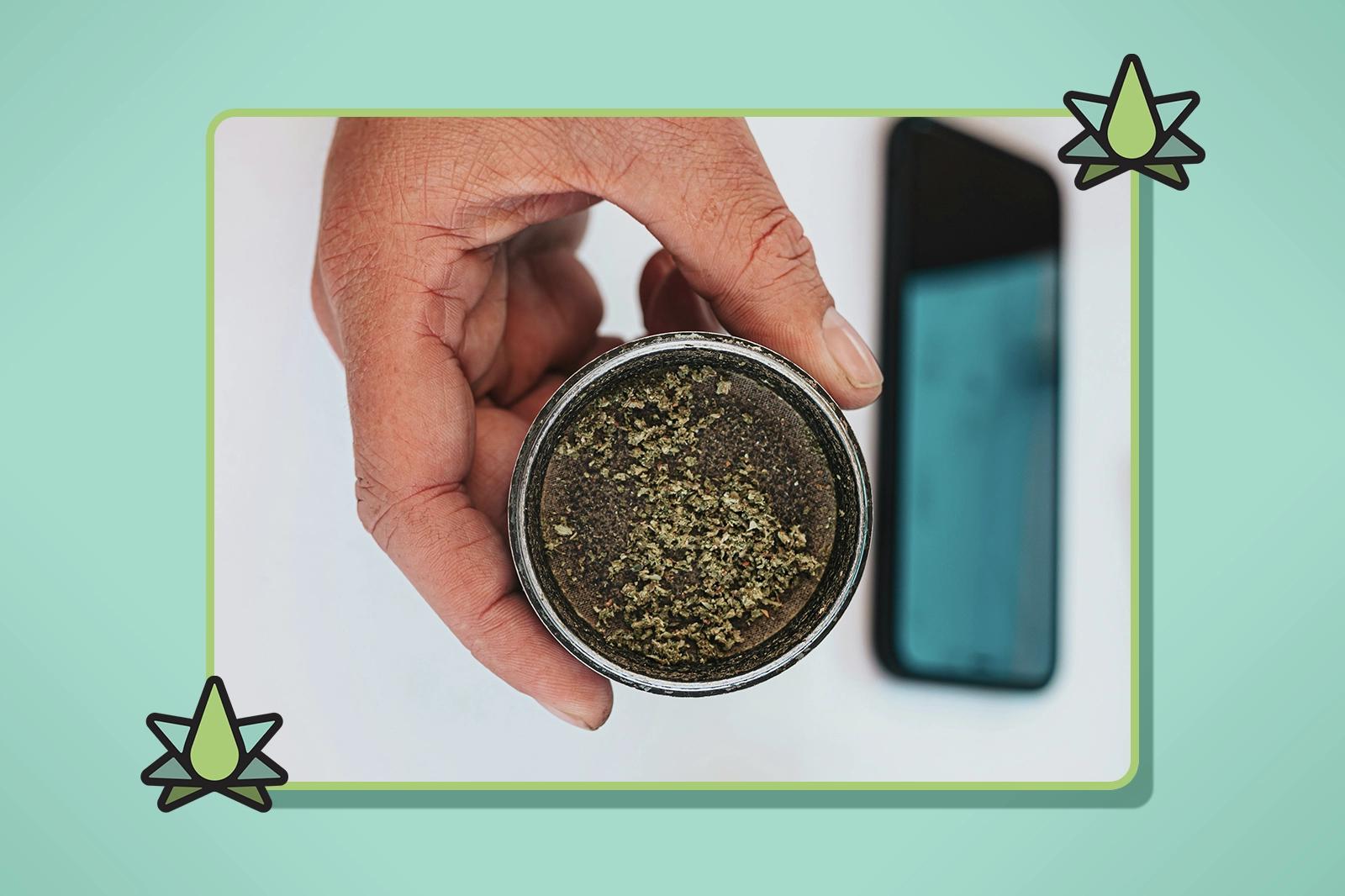
Most people get into dry sift through a grinder. That accumulation at the bottom of the kief catcher gives a rough idea of what trichome separation looks like, but it tells you almost nothing about how processors actually produce, grade, and formulate with this material at commercial scale.
The information gap is there and it’s noticeable. Guides aimed at home growers cover the basics, and advanced hash content jumps straight into bubble hash comparisons without stopping to explain what makes dry sift distinct as a formulation input. Processors end up with inconsistent batches, rosin that lacks complexity, or pre-rolls that smell flat a week after production, without a clear explanation of why.
The answer usually lives in the process, specifically in what happens to terpenes during and after sifting, and whether the conditions around that process were designed to protect them.
What is Dry Sift?
Dry sift is one of those terms the industry uses loosely, and that looseness creates real problems when processors try to set quality benchmarks or spec material for a particular application. Establishing what you are actually working with makes every downstream decision easier.
How Mechanical Separation Works
The core process is straightforward.
Dried cannabis flower, typically chilled to make trichomes more brittle, is placed on or above a stacked set of mesh screens and agitated. Trichome heads, which are smaller than most plant debris, pass through the screen openings while larger plant material is held back above. What collects below the screens is a concentrated mass of resin glands.
No solvent is introduced at any stage. No heat is applied. No water contacts the material.
That zero-chemistry approach is what gives dry sift its appeal from a purity standpoint, but it also means terpene integrity depends entirely on processing conditions. The temperature of the room, the speed of agitation, and the humidity in the air all shape the final terpene profile in ways that matter for formulators.
Kief Vs. Dry Sift: Where the Terminology Actually Splits
Kief and dry sift describe related but distinct things. Kief is the loose trichome powder that collects from a single pass through one screen, typically at lower precision, as anyone familiar with a grinder knows. Dry sift refers to a more deliberate multi-screen process that progressive
ly refines the output through screens of decreasing size to isolate cleaner material. The practical difference, usually relevant to dry sift and kief that processors ask about most, is one of refinement and intentionality.
Kief is where you start. Dry sift hash is what you work toward.
Full-melt dry sift, the highest quality grade, contains trichome heads with minimal plant contamination and vaporizes completely without leaving residue. That melt behavior is the standard for quality assessment across the industry.

Micron Screens and What They Determine About Your Output
Screen selection decides a lot about what your final product is going to look like. Most processors understand that smaller openings produce cleaner material, but the connection between screen choice, plant contamination levels, and formulation suitability is a little more complicated than what you might think initially.
LPI Vs. Microns: The Measurement Confusion Most Processors Run Into
Dry sifting screens are typically measured in Lines Per Inch, abbreviated as LPI, not in microns.
This does create a fair bit of confusion because bubble hash uses micron-rated bags, and many processors assume the two measurement systems are interchangeable. They are not.
LPI describes how many lines of mesh exist per inch of screen, which determines pore opening size indirectly. Microns measure the pore opening directly.
For anyone asking about the best micron for dry sift hash, the answer starts with some basic conversion:
- 60 LPI / ~250 Microns: Coarse work screen, used for initial rough separation
- 88 LPI / ~165 Microns: Second pass, reduces larger plant material significantly
- 100 LPI / ~149 Microns: Cleaner material with moderate trichome head purity
- 199 LPI / ~75 Microns: Finest collection screen, where the highest quality output accumulates
Running material through progressively finer screens is how processors move from basic kief toward full-melt grades, and it is also how they control how much non-trichome plant debris reaches the final product.
The Six-Star Quality System
The six-star grading system classifies dry sift hash based on melt quality when heated. Consumer-facing content frames this as a measure of how clean a product dabs. From a formulation standpoint, each grade maps to a specific set of applications, and choosing the wrong grade for an intended use creates downstream quality problems.
- 1-2 Stars: Plant material exceeds trichome content; best suited for edibles, topicals, and pre-roll filler where minor plant debris does not disqualify the material
- 3 Stars (Half Melt): Material melts approximately 50% when heated; pressing into rosin is viable, and the grade works for infused pre-roll enhancement where some residue is acceptable
- 4-5 Stars: High trichome purity with low plant contamination; well-suited for rosin pressing, cold-cure applications, and products where clean melt behavior matters
- 6 Stars (Full Melt): Near-complete trichome head purity; dabbable directly, and the standard source material for premium dry sift rosin production
| Grade | Melt Behavior | Approx. Screen Range | Plant Contamination | Primary Formulation Use |
| 1-2 stars | Little to none | 60-88 LPI / 165-250µ | High | Edibles, topicals, filler |
| 3 stars | ~50% melt | 88-100 LPI / 149-165µ | Moderate | Pre-roll infusion, basic rosin |
| 4-5 stars | 75-95% melt | 100-199 LPI / 75-149µ | Low | Premium rosin, cold-cure hash |
| 6 stars | Full melt | 199 LPI / ~75µ | Minimal | Dabbing, top-shelf rosin |
Where Terpenes Go During the Sifting Process
Here is where things get genuinely consequential for anyone formulating with dry sift hash. The process creates a terpene-rich material, but the conditions under which you sift have a substantial effect on how much of that terpene content actually survives, and specifically, which compounds make it through and which ones do not.
Why Monoterpenes Are the First Casualties
Research shows that stalked glandular trichomes, the structures dry sifting targets, predominantly accumulate monoterpenes, with monoterpene-to-sesquiterpene ratios exceeding 12:1.
These are the same trichomes that produce the aromatic complexity processors are working to capture: myrcene, limonene, pinene, terpinolene. All of them are monoterpenes, and all of them are significantly more volatile than the heavier sesquiterpenes like caryophyllene and humulene that round out a typical cannabis terpene profile.
Volatilization does not require reaching boiling temperature. At ambient room temperatures, monoterpenes begin to slowly evaporate from exposed surfaces, and the open-air conditions of the sifting process accelerate that loss.
Published research has shown that while sesquiterpenes are largely preserved across processing, monoterpenes are completely or mostly lost. The practical result for dry sift is a shift in the terpene profile over time: what started as a bright, aromatic blend gradually leans heavier and more muted as the lighter compounds escape.
This is one of the clearest explanations for why dry sift hash potency in terms of aroma often reads as less complex than expected from the original flower.
Cold-Room Sifting as a Terpene Preservation Strategy
Cold-room sifting at temperatures below 60°F is standard practice among serious hash producers, but it is typically framed as a quality tip rather than the terpene strategy it actually is.
Chilled temperatures accomplish two things simultaneously:
- They make trichome heads more brittle, which helps them separate cleanly from stalks without smearing or breaking apart.
- They slow the evaporation rate of volatile monoterpenes during the entire sifting window. Both outcomes matter.
Research from Encore Labs notes that even modest temperature increases during storage and processing can diminish terpene content significantly, and that heat-sensitive compounds like myrcene begin to chemically break down at temperatures as low as 100°C.
Sifting at room temperature does not trigger that kind of breakdown, but it does create sustained exposure to evaporation conditions. Processors without a dedicated cold room can chill their material in a sealed container for 30-60 minutes before sifting and chill the card or tool between passes. It is a meaningful improvement without requiring permanent infrastructure changes.
The High Surface Area Problem After Sifting Is Done
Dry sift has a structural disadvantage that starts the moment you’re done with collection. Intact flower offers trichomes at least partial protection from direct air exposure through the plant structure surrounding them.
Sifted material is loose trichome heads sitting fully exposed to ambient oxygen. That surface area is what makes dry sift absorb added terpenes readily, but it also means the material loses volatile compounds faster than nearly any other cannabis format.
In the same study, Encore Labs documents that cannabis flower can lose 30-50% of its original terpene content after six months of storage under normal conditions. Dry sift, with its vastly higher surface area exposure, faces an accelerated version of that same risk.
Storing finished sift in a vacuum-sealed container immediately after collection and keeping it cold is not optional for quality production. For commercial-scale operations, this is also the point where CDT restoration becomes a practical necessity rather than an optional enhancement.

Dry Sift Vs. Bubble Hash: a Formulator’s Comparison
Both are solventless concentrates that separate trichomes from plant material without chemical extraction. The pathway to separation, and what it does to the terpene profile along the way, makes them genuinely different materials for formulation purposes.
- Starting Material: Dry sift uses dried and cured flower; bubble hash commonly uses fresh-frozen material
- Process: Dry sift uses mechanical agitation over screens; bubble hash uses ice-water agitation through filter bags
- Terpene Character: Dry sift from cured flower captures a post-drying profile that is sesquiterpene-leaning after monoterpene loss; bubble hash from fresh-frozen retains a “live” profile closer to harvest
- Yield: Dry sift typically produces 5-10% return from cured flower; bubble hash from fresh-frozen yields 15-20%
- Drying Time: Dry sift is ready immediately after collection; bubble hash requires a 24-72 hour freeze-dry or air-dry window
- Equipment Cost: Dry sift requires only screens; bubble hash requires bags, buckets, ice, and ideally a freeze dryer
Neither format is universally superior.
High-quality dry sift from carefully processed cured material, combined with thoughtful CDT supplementation where needed, can match bubble hash for consumer experience. The relevant question is what starting material you have access to and what aromatic outcome you are building toward.
How Dry Sift Fits Into Commercial Formulations
Dry sift is often positioned as a standalone finished product, but that leaves a lot of potential on the table. Depending on the grade, it functions as a retail concentrate, a pressing input, or an enhancement layer in multi-component formats.
Dry Sift as Rosin Source Material
Four-star and above dry sift is one of the most accessible pathways to solventless rosin for operations that want to avoid the infrastructure of a full ice-water hash setup.
Pressing at 165-180°F produces rosin with minimal plant material contamination and a clean flavor expression. Five and six-star material produces rosin that can reach full-melt quality without additional filtration. For more details, check out our R&D guide on concentrates formulation.
Processors looking to add terpene complexity back to rosin pressed from dry sift without introducing a botanical profile can work with a terpinolene-forward CDT like 2023 Gas #152, which leads with Terpinolene at 28.13% and Myrcene at 20.9%.
That combination restores the lighter, more dynamic aromatic character that gets suppressed at press temperatures above 165°F, without pushing the profile into territory that reads as artificially enhanced.
Pre-Roll and Flower Enhancement Applications
Lower-grade dry sift is a well-established input for pre-roll production and flower enhancement, either as an exterior coating on finished pre-rolls or mixed into flower before filling. It adds potency and shifts the aroma of the base material in the direction of the sift’s cultivar.
The main issue here is consistency. Sift batches vary in terpene content based on starting cultivar, harvest timing, and processing conditions, so using sift as the sole terpene contributor creates batch-to-batch variability that is difficult to manage at scale.
Many processors address this by layering a consistent CDT over the sift to establish a target aromatic baseline. 2024 Fruit #137 works well here: Limonene at 24.82% and Beta-Ocimene at 21.28% produce a bright tropical aromatic layer with pineapple and guava character that complements the earthier notes common in sifted material.
When Terpene Restoration Makes Sense
Terpene restoration becomes relevant the moment sift has been stored for more than a few days at ambient temperature or when the starting flower was already low in terpene content before sifting.
The mechanics are practical: dry sift’s porous trichome structure absorbs CDT additions readily at ratios of 1-3% by weight, applied at or slightly below room temperature with minimal agitation needed. Overdoing the addition creates a greasy, over-saturated material that handles poorly and pushes the aromatic character away from the original profile rather than restoring it.
For processors restoring gas or OG-leaning profiles, Gas #707 is a reliable option. Myrcene at 27.42%, Limonene at 11.55%, and Beta-Caryophyllene at 10.95% create a balanced composition that reads as authentic rather than added.
The multi-vintage blending that produces Gas #707 also means the profile is available year-round with consistent batch-to-batch character, which matters for operations that need reliable terpene inputs across multiple production runs.
How Terpene Belt Farms Supports Dry Sift Producers
Dry sift producers face a consistent formulation challenge: a process that is simple to run but difficult to run consistently when terpene preservation is the priority. Processing conditions, storage time, and starting material quality all affect the aromatic output in ways that compound quickly at scale.
Terpene Belt Farms offers Fresh Never Frozen cannabis-derived terpenes sourced from Northern California cultivars and extracted using a cold-chain methodology specifically designed to protect the monoterpene fractions that conventional processing removes.
Every profile is GC-MS and GC-FID verified with full COA documentation, and ISO/IEC 17025 accreditation backs the analytical methodology behind every batch. For dry sift producers who need terpene inputs that restore aromatic complexity without introducing botanical or synthetic mismatch, the profile catalog includes gas, fruit, pine, citrus, and dessert expressions across multiple vintages.
Frequently Asked Questions About Dry Sift Hash
What Is Dry Sift Hash Potency, and How Does It Compare to Other Concentrates?
Dry sift hash potency typically ranges from 40-60% THC when produced at 4-star or better quality, with full-melt six-star material sometimes reaching 60-70%. This is lower than hydrocarbon extracts but comparable to well-made bubble hash. Potency varies significantly by starting material genetics, processing precision, and how much plant material contaminates the final product.
How Do You Make Dry Sift Hash at Scale?
How to make dry sift hash at commercial scale generally involves chilled material, mechanical tumblers with micron-rated drum screens, and multi-pass refinement through progressively finer screens. Tumblers automate the agitation that hand-sifting requires, improving yield consistency across batches. Cold-room environments below 60°F are standard for commercial operations focused on terpene preservation and trichome integrity.
What Is the Best Micron for Dry Sift Hash?
The best micron for dry sift hash depends on the intended application. For full-melt quality suited to dabbing or pressing premium rosin, the 75-micron range (approximately 199 LPI) produces the cleanest trichome separation. For pre-roll and flower enhancement where some plant material is acceptable, 149-165 microns (100-88 LPI) delivers usable material with higher yield. There is no single best size; the right choice follows the end product specification.
Does Dry Sift Lose Terpenes During Storage?
Yes, significantly. Dry sift has high surface area exposure that accelerates monoterpene evaporation and oxidation after collection. Storing material in airtight, vacuum-sealed containers at freezer temperatures minimizes loss. Without cold storage, aromatic complexity degrades noticeably within a week of collection at ambient temperatures, particularly for the lighter monoterpene fractions like limonene and myrcene that define brightness in the profile.
Is Dry Sift Better Than Bubble Hash for Flavor?
Dry sift from cured flower captures a different aromatic profile than bubble hash from fresh-frozen material, not necessarily a worse one. Cured flower dry sift reflects the post-drying terpene character, which is sesquiterpene-leaning. Fresh-frozen bubble hash preserves more volatile monoterpenes at collection. Which produces better flavor depends on the starting material quality, processing precision, and whether terpene supplementation is used to restore what either process removes.
Sources Used for This Article
- Encore Labs: “Terpene Degradation in Cannabis” – encorelabs.com/terpene-degradation-in-cannabis/
- PubMed / NCBI: “Optimal Treatment with Cannabis Extracts Formulations Is Gained via Knowledge of Their Terpene Content and via Enrichment with Specifically Selected Monoterpenes and Monoterpenoids” – pubmed.ncbi.nlm.nih.gov/36296511/
- PMC / NCBI: “Bracts, Buds, and Biases: Uncovering Gaps in Trichome Density Quantification and Cannabinoid Concentration in Cannabis sativa L” – pmc.ncbi.nlm.nih.gov/articles/PMC12300688/
- Cannabis Science and Technology: “The Transformation of Cannabis Terpenes from Harvest to Shelf” – cannabissciencetech.com/view/the-transformation-of-cannabis-terpenes-from-harvest-to-shelf