
Key Takeaways
- Terpenes are not inherently bad for you, but safety depends on concentration, delivery format, extraction method, storage, and documentation.
- Generally Recognized as Safe status applies only to specific terpene uses and concentrations, not unlimited formulation across all products.
- Concentrated terpene exposure can create irritation or stability risks, especially when inhalable formulas exceed recommended terpene load ranges.
- Product safety risks often come from residual solvents, pesticides, microbials, mycotoxins, heavy metals, oxidation, or poor source-material handling.
- A terpene profile COA shows composition, while a full-panel COA should verify solvents, pesticides, heavy metals, microbials, and mycotoxins.
- Terpene Belt Farms uses Fresh Never Frozen extraction, no hydrocarbon solvents, ISO/IEC 17025-accredited third-party testing, GC-MS and GC-FID verification, and cGMP controls.
- Start your supply chain safety with Terpene Belt Farms to source fully documented CDT profiles built for safer, verified formulation at scale. Shop samples to learn more today.
Every fruit you’ve ever eaten contains terpenes. Black pepper, lavender, pine needles, hops, and citrus peel all get their characteristic aromas from these same organic compounds. They are not exotic chemicals. They are a core feature of the plant kingdom, and humans have been consuming them safely throughout history in foods, teas, and botanical preparations without giving it much thought.
So why does “are terpenes bad for you” rank among the most frequently searched questions in the cannabis space?
Part of it is the association with cannabis, where terpenes are sometimes conflated with cannabinoids in the public’s mental model. Part of it is the growing number of concentrated terpene products now on the market, where exposure levels are significantly higher than anything encountered through diet. And part of it is that most existing content on this topic conflates the terpene molecule with the terpene product, and those are two different things from a safety standpoint.
For formulators, R&D teams, and procurement managers sourcing terpenes at scale, the question is never as simple as “are these safe.” The real work is in knowing which variables drive risk, what a COA needs to include to actually be useful, and how extraction method and storage conditions can change the safety profile of a product before it ever reaches your lab.
The Variables That Determine Terpene Safety
The word “safe” gets used loosely in the terpene industry, often as shorthand for natural origin or GRAS classification. Neither is the full picture. A terpene that poses no risk in a food flavoring application at 0.1% concentration can cause respiratory irritation when inhaled at 15% in a poorly formulated vape product. Same compound, very different risk profile.
Safety for terpenes is always context-dependent, and three variables shape most of the risk picture: regulatory classification, concentration, and delivery format. Each one operates independently, and ignoring any of them creates blind spots in a formulation safety evaluation.
GRAS Status and What It Actually Covers
Several of the most common cannabis terpenes carry FDA GRAS status as flavoring agents. Research published in Alternative Therapies in Health and Medicine confirms that limonene is listed in the Code of Federal Regulations as GRAS for use as a food flavoring agent, found in products from fruit juices and soft drinks to baked goods and ice cream.
The EPA’s regulatory record on limonene echoes that finding, noting the compound is of relatively low acute toxicity when taken orally and presents no carcinogenic concern in humans at dietary exposure levels. Similar GRAS designations exist for linalool, myrcene, alpha-pinene, and beta-caryophyllene within their respective approved use contexts.
Where most coverage on this topic goes wrong is in treating GRAS as a blanket safety clearance. It is not.
GRAS status is use-conditional, applying to specific compounds at concentrations appropriate for their intended application. A complex hemp-derived terpene blend, for example, may require a Self-Affirmed GRAS review or a formal GRAS notification with the FDA before qualifying for food or beverage product categories.
For formulators, the practical implication is straightforward: GRAS status is a useful starting point, not a formulation license. Treating it as permission to add unlimited concentrations of any terpene to any product format is a regulatory and safety error that teams working with terpenes for the first time occasionally make.
Concentration Is the First Variable
In diluted form, terpenes below approximately 5% of total product volume are widely accepted as non-toxic for most applications. That ceiling matters in practice. At higher concentrations, certain monoterpenes can act as skin and mucous membrane irritants, and some toxicological literature documents hypotensive effects from high-dose exposure to concentrated terpene fractions.
None of this occurs at the levels used in properly formulated cannabis products, but it does occur when raw terpene materials are handled improperly or when formulation ratios are significantly out of range.
For vape manufacturers specifically, the generally accepted terpene load range in finished formulations sits between 5% and 15% of total volume. Below 5%, sensory expression is weak and strain identity tends to disappear into the base material. Above 15%, harshness increases and blend stability typically degrades over the product’s shelf life.
The appropriate ceiling for any given product also depends on the specific terpene profile in use, since high-monoterpene blends and sesquiterpene-dominant blends behave differently under both formulation and consumer-use conditions.
Why Delivery Format Changes the Safety Equation
A topical, an edible, and an inhalable product involve entirely different exposure routes, and each carries its own safety variables. Dermal application raises the relevance of skin sensitization risk, particularly for oxidized terpene forms. Ingestion triggers different metabolic pathways than inhalation, and dosing parameters for edible applications map to the GRAS concentration standards.
Inhalation presents the most complex picture because it bypasses the digestive system entirely and delivers terpene compounds directly to pulmonary tissue, where any thermal degradation byproducts in the vapor also arrive.
This is not an argument against terpene use in inhalable formats. It is an argument for format-specific safety evaluation.
A terpene profile that is entirely appropriate for a concentrate may need its load percentage or compound ratios adjusted before it fits a high-temperature vape application. The format determines which safety variables are in play, and a safety review that ignores format is incomplete.

The Safety Risks That Don’t Come from the Terpene Itself
Terpenes are outputs of an extraction process applied to agricultural source material, and every step of that process introduces potential safety variables that have nothing to do with the terpene compound itself.
For formulators making sourcing decisions, this distinction matters more than any of the concentration or GRAS nuances discussed above.
The terpene can be perfectly safe in isolation while the product carrying it introduces contamination risks that the terpene profile COA will never capture.
What Extraction Method Leaves Behind
Hydrocarbon extraction methods, using solvents like butane or propane to pull terpenes and other compounds from plant material, carry residual solvent risk that can travel from the raw extract through to the finished terpene product if purging is inadequate.
Residual solvents in cannabis-derived materials are a documented quality issue, and state-level compliance programs specifically screen for Class 1 and Class 2 solvents because of their established toxicity profiles. A terpene oil derived through hydrocarbon methods and insufficiently purged can carry butane, propane, or other solvent residues directly into any formulation it enters.
Steam distillation and cold-process extraction methods, the ones we use here at Terpene Belt Farms, avoid hydrocarbon solvents entirely, producing terpene oils with no residual solvent risk from the extraction step itself.
Pesticide and Microbial Load in the Source Material
Cannabis is a known bioaccumulator, meaning it absorbs compounds from its growing environment with notable efficiency. Pesticides applied during cultivation can concentrate in the plant material and carry through extraction into the finished terpene oil. If no pesticide screening is conducted on the finished product, that contamination enters a formulation invisibly.
The same principle applies to microbial contamination. Source material harvested or stored under inadequate conditions can introduce yeast, mold, and bacterial contamination that persists through certain extraction methods and into the product your team receives.
The pesticide contamination problem in cannabis is well-documented in state compliance data, particularly for products originating from unregulated markets. This is one of several reasons why the cultivation standards and source geography of a terpene supplier carry as much weight as the terpene profile on the COA.
California’s regulated cannabis program mandates testing at the point of finished product. This is exactly why the COAs from Terpene Belt Farms come ready with pesticide testing for several dozen common pesticides. Here’s what that looks like on our COAs.


When a Terpene COA Tells You Almost Nothing
Here is a procurement scenario that is more common than it should be.
A team receives a COA showing a detailed terpene profile breakdown with percentages for myrcene, limonene, caryophyllene, and several minor compounds. The document looks thorough. What it does not include is any panel for residual solvents, pesticides, heavy metals, mycotoxins, or microbial contamination. The team accepts the shipment confident the product has been tested for safety. It has been tested for composition, which is not the same thing.
Advanced solvent analysis for cannabis-derived terpenes makes clear that a terpene profile panel and a full safety panel are different documents with different instrumentation requirements.
The California Department of Cannabis Control mandates that finished cannabis products be screened for residual solvents, pesticides, heavy metals, microbial impurities, and mycotoxins as part of its compliance framework. That standard reflects real consumer safety reasoning that applies equally to terpene inputs as it does to finished goods.

What to Demand from a Terpene Supplier
Once you know the actual risk variables in terpene sourcing, the supplier evaluation process becomes significantly more concrete. The COA, the lab conducting the testing, and the handling protocols all carry specific criteria that separate suppliers who can verify safety from those who can only assert it.
The right supplier documentation does not require trust. It requires verification, and the criteria for that verification are well-established across state compliance programs and international testing standards.
Full-Panel COA Vs. Terpene Profile Only
A terpene profile panel tells you what compounds are present and in what percentages. It is the starting point for evaluating formulation fit. It is not a safety document on its own. A full-panel COA for a cannabis-derived terpene product should include all of the following:
- Terpene Profile: Individual compound identification and percentages, measured by GC-FID or GC-MS
- Residual Solvents: Screening for Class 1 and Class 2 solvents used in extraction, quantified by GC-MS headspace analysis
- Pesticide Panel: Screening for prohibited agricultural chemicals across the full residue list applicable to the target market
- Heavy Metals: ICP-MS analysis for lead, arsenic, cadmium, and mercury
- Microbial Screening: Total yeast and mold count, E. coli, Salmonella, and Aspergillus
- Mycotoxins: Aflatoxin and ochratoxin screening by HPLC-MS/MS
A COA missing any of these panels means safety has been tested partially, not completely. 2024 Fruit #135 is an example of what a fully documented single-harvest CDT profile looks like in practice: a Forbidden Fruit-inspired expression with Limonene at 24.04% and beta-caryophyllene at 15.13%, backed by complete third-party safety documentation rather than a terpene percentage sheet alone.
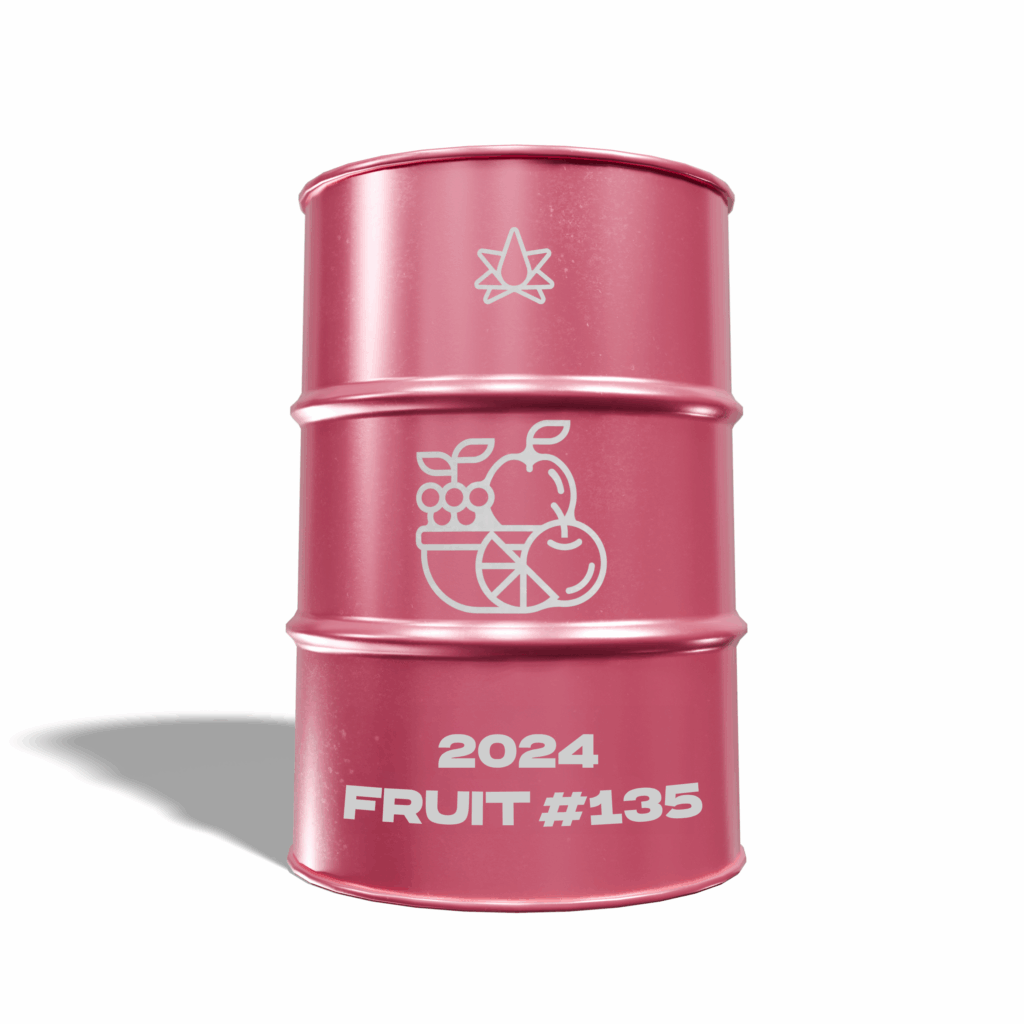
For formulators evaluating fruit-forward profiles for topical, concentrate, or vape applications, it represents the combination of sensory complexity and supply chain traceability that verified sourcing makes possible.
Third-Party Accredited Testing Vs. In-House Labs
Not all labs carry the same verification weight. ISO/IEC 17025 accreditation is the international standard for analytical testing laboratory competence, covering technical requirements for test methods, equipment, personnel qualifications, and result reporting. A COA issued by an ISO 17025-accredited lab carries a different level of credibility than one issued by an in-house facility or a non-accredited third party, because accreditation requires demonstrated method validation and regular external audits that in-house programs do not.
When evaluating supplier documentation, asking specifically whether the testing laboratory holds ISO 17025 accreditation, and for which test methods, is a baseline due-diligence step. Suppliers who rely on in-house testing should be pressed on what external auditing validates their methods.
Freshness and Storage Protocols as Safety Variables
A supplier’s storage and handling protocols determine whether a product that was clean at the time of testing is still clean at the time of delivery. Cold-chain management matters for terpene products because temperature directly affects oxidation rate.
Suppliers without active cold-chain infrastructure between extraction and shipment are relying on ambient storage conditions that accelerate the exact chemical transformations discussed in the oxidation section above.
Packaging materials carry equal weight. Amber glass or HDPE containers with inert gas headspace protection are the appropriate packaging for terpene oils in storage and transit. Products shipped in clear glass or oxygen-permeable plastic have already begun degrading before they arrive at your facility. Confirming that a supplier’s packaging and cold-chain protocols match what the chemistry of the material requires is a sourcing conversation that protects your formulation before a single gram enters production.
Why Terpene Belt Farms Delivers Safety at the Source
The sourcing variables that determine whether a terpene product is genuinely safe to formulate with, extraction method, full-panel testing, accreditation, cold-chain management, and freshness documentation, are exactly where Terpene Belt Farms is built to perform.
Our Fresh Never Frozen® methodology captures terpenes from Northern California cultivars without hydrocarbon solvents, eliminating residual solvent risk before it can enter a formulation. Third-party ISO/IEC 17025-accredited lab testing on every batch covers the complete safety panel, not just terpene profile percentages.
GC-MS and GC-FID-verified COAs document composition and contamination data that procurement teams can rely on rather than assume. Our cGMP certification means our facilities operate under the same manufacturing quality standards that govern FDA-regulated food production.
Frequently Asked Questions About Terpene Safety
Are Terpenes FDA-Approved?
Several individual terpenes, including limonene, linalool, myrcene, alpha-pinene, and beta-caryophyllene, carry FDA Generally Recognized as Safe (GRAS) status for use as food flavoring agents at concentrations appropriate to that application. GRAS status is not equivalent to FDA approval and does not extend to all product formats or use levels. Complex terpene blends and novel application contexts may require additional regulatory review before qualifying for food or beverage product categories.
Can Terpenes Cause Respiratory Problems?
At concentrations used in properly formulated products, terpenes are not considered to present respiratory risk. At high concentrations or with prolonged occupational exposure to raw terpene materials, some monoterpenes can cause mucous membrane irritation. For inhalable products, the more significant concern is thermal degradation byproducts generated when terpenes pass through vaping coils operating between 100 and 300°C, conditions under which certain monoterpenes produce dozens of novel reaction compounds not present in any pre-heating analysis.
What Dilution Percentage Is Safe for Terpene Use?
Below 5% of total product volume, terpenes are generally accepted as non-toxic for most application formats. For vape cartridges and concentrates, the recommended working range is between 5% and 15% total terpene content in finished formulations. Exceeding 15% in inhalable products increases harshness and formulation instability risk. Dilution requirements vary by format and profile, and any new formulation should be validated through stability and sensory testing before scaling to production volumes.
Do Terpenes Expire?
Terpenes do not expire in a way that renders them inactive, but they degrade chemically over time through oxidation, light exposure, and temperature fluctuation. Degraded terpenes can carry an altered sensory profile and different safety characteristics than the fresh parent compounds. Most terpene products carry a shelf life of 12 to 24 months when stored correctly in sealed, cool, light-protected conditions. Terpene stock held beyond that window or stored improperly should be retested before incorporation into any formulation.
Can You Have an Allergic Reaction to Terpenes?
Allergic responses to terpenes are uncommon at concentrations found in finished products, but they can occur. The highest sensitization risk comes from repeated dermal contact with oxidized terpene forms, particularly oxidized linalool and oxidized limonene, which are recognized contact allergens in the dermatological literature. These risks are most relevant in occupational settings where workers handle bulk terpene materials regularly without protective equipment. Consumer-level exposure through properly formulated finished products is substantially lower in both frequency and quantity.
Sources Used for This Article
- PubMed / Alternative Therapies in Health and Medicine: “D-Limonene: safety and clinical applications” – pubmed.ncbi.nlm.nih.gov/18072821/
- U.S. Environmental Protection Agency: “Limonene: Reregistration Eligibility Decision (RED) Fact Sheet” – archive.epa.gov/pesticides/reregistration/web/pdf/3083fact.pdf