



Quick Answer: Duty Free Terpenes, Terpene Belt Farms, and Abstrax represent three structurally different approaches to terpene supply. DFT builds flavor-forward enhanced natural profiles on a hemp-derived CDT base, tuned with 100% natural flavor enhancers. Our Fresh Never Frozen® CDT line delivers pure, unaltered cannabis-derived terpenes with GC-MS and GC-FID verified COAs and no flavor additives. Abstrax is a botanical operation. Their profiles are reconstructed from non-cannabis sources regardless of how strain names appear on the label. If your formulation or brand positioning depends on authentic cannabis-derived terpenes with traceable sourcing documentation, you are looking at TBF or DFT depending on how much flavor enhancement your application actually calls for.
Key Takeaways
- Abstrax is a botanical supplier. Their terpenes are sourced from non-cannabis botanicals and reconstructed to replicate cannabis strain profiles, regardless of what individual product names suggest.
- DFT uses hemp-derived CDTs from their California farm as the base, topped with 100% natural flavor enhancers for a louder, more consumer-facing profile across six flavor categories.
- Our Fresh Never Frozen® CDTs are pure, unaltered cannabis-derived terpenes with no flavor additives, vintage-coded by harvest, and verified by third-party GC-MS and GC-FID analysis.
- For brands whose product story, label claims, or buyer conversations depend on cannabis-derived sourcing, Abstrax cannot provide a cannabis-derived supply chain at any SKU.
- TBF and DFT serve different formulation contexts. TBF fits pure CDT applications. DFT fits flavor-forward products that still need an authentic CDT foundation underneath the consumer-facing profile.
Choosing between these three suppliers is not a straightforward comparison of quality levels. Each brand is optimized for a different formulation context, and picking the wrong one creates problems that show up in COA documentation, consumer feedback, and retail buyer conversations long after the first order ships.
Brands that have received their first Abstrax order assuming they were getting cannabis-derived terpenes have learned this the hard way. Brands that sourced a pure CDT when their application called for flavor intensity learned something similar. This breakdown covers what each supplier actually delivers so the decision comes down to formulation fit rather than marketing language.
Why Terpene Source Shapes Every Downstream Decision
What you source from a terpene supplier determines more than flavor character. It determines what you can say on a label, what COA you can show a retail buyer, and whether the add-back rates from your bench trial will hold when you scale to production. The difference between CDT, enhanced natural CDT, and botanical terpenes is not a gradient of quality. It is a fork in the sourcing model that has real consequences.
A botanical blend starts from an analytical target. A supplier analyzes a cannabis strain profile by GC-MS, identifies the major compounds, and reassembles those using isolates sourced from citrus, conifers, hops, and other non-cannabis botanicals.
The dominant compounds in the final product may be chemically identical to what the original cannabis plant produced. The minor compound picture is absent. The trace sesquiterpenes, thiols, and aromatic interactions that develop during cannabis cultivation are not there because those were never isolated in the first place.
What Separates CDT from Enhanced Natural Terpenes
An enhanced natural CDT starts from the same place we do: real flower. The hemp biomass goes through extraction, and the resulting CDT oil carries the full minor compound profile of the source cultivar.
That base is then topped with a 100% natural flavor concentrate to amplify specific aromatic notes, louder candy, louder fruit, louder gas, that a straight CDT extraction would not produce at commercial intensity levels.
The enhanced natural model preserves CDT sourcing documentation for the foundation while creating flavor hooks that perform better in consumer-facing products. Research published in PubMed confirms that GC-MS and GC-FID represent the most validated methodology for quantifying cannabis terpene profiles, and an enhanced natural product will carry that documentation for its CDT base even though a flavor topper sits on top.
Why the Botanical Question Matters Most
For a brand whose label, marketing, or retail buyer pitch includes any claim about cannabis-derived terpenes, the sourcing question is not optional. The botanical supply chain produces products that can carry cannabis strain names without containing any cannabis-derived material. That is a legal sourcing choice, not a quality failure, but it becomes a documentation gap the moment a brand relies on that product to support an authenticity claim. The breakdown of what separates botanical terpenes from cannabis-derived terpenes covers the formulation-level differences in more detail.
Duty Free Terpenes Vs TBF Vs Abstrax at a Glance
| Factor | Terpene Belt Farms | Duty Free Terpenes | Abstrax |
| Terpene Source | 100% Cannabis Sativa L. CDT | Hemp CDT base + natural flavor topper | Botanical (non-cannabis) |
| Extraction Method | Proprietary steam distillation, Fresh Never Frozen® | CDT base + natural topping | Molecular distillation |
| Flavor Categories | Vintage-coded (Gas, Pine, Fruit, Sweet, Citrus, Dessert, Purple) | Hydrocarbon, Strainz, Candy, Fruit, Soda, Syrup | Strain profiles, Cloudburst, Native Series, Signature Series |
| COA Type | GC-MS and GC-FID, third-party, ISO/IEC 17025 accredited | Farm bill compliant, natural sourcing documented | COAs published; source is botanical |
| Certifications | ISO/IEC 17025, cGMP | Farm bill compliant, 100% natural | SQF Certified |
| Best For | Pure CDT mandate; premium positioning; strain traceability | Flavor-forward vapes; culture-driven SKUs; CDT credibility on a budget | High-volume botanical needs; cost-sensitive formulations |
| Price Tier | Premium CDT | Enhanced natural CDT mid-tier | Competitive botanical pricing |
1. Terpene Belt Farms

Terpene Belt Farms is built around one standard: full-spectrum CDTs extracted from Cannabis Sativa L. grown across our Northern California farm network in Byron, processed immediately after harvest without freezing.
The Fresh Never Frozen® methodology captures CDTs at their most aromatic state, before oxidation and time reduce profile complexity. Steam distillation at carefully controlled temperatures preserves the volatile monoterpenes that give freshly harvested cannabis its bright, layered top-note character. The result is a cannabinoid-free essential oil that reflects the complete aromatic expression of the source cultivar, verified compound by compound through third-party GC-MS and GC-FID analysis at an ISO/IEC 17025 accredited laboratory.
Every COA is publicly accessible without an account. Every batch is vintage-coded so your formulation team knows which harvest produced the profile they are working with. Every product page shows terpene percentages at the compound level. This is the documentation standard we hold every SKU to, because brands building quality products deserve inputs they can verify before placing an order.
Core Product Categories
Our catalog is structured around the applications our clients actually run, not around generic flavor categories. Each format is built on the same Fresh Never Frozen® CDT standard.
Fresh Never Frozen® Cannabis Terpenes
The core CDT oil catalog spans over 40 vintage-coded profiles organized across Gas, Fruit, Sweet, Citrus, Pine, Purple, and Dessert flavor families. These are not reconstructed profiles assembled from botanical isolates.
They are full-spectrum essential oils extracted from actual hemp cultivars grown on our farm, with compound-level COA documentation published for every batch.
NEU Bag Terpene Infusion Packs
Our NEU Bags address a specific production problem in flower and pre-roll manufacturing: how to infuse CDT terpenes into dry cannabis flower without liquid application.
The vapor-phase diffusion mechanism releases terpenes as a gas inside a sealed environment, allowing the flower to absorb them uniformly without moisture or surface concentration issues. No spraying equipment, no uneven distribution, no moisture concerns.
Water Soluble Terpenes
Our pre-emulsified water-soluble CDT line solves the fundamental incompatibility between oil-based terpenes and aqueous product matrices. Nano-emulsification technology folds CDT profiles into a water-compatible format that holds through pasteurization, distribution, and extended shelf life.
The pre-emulsified format integrates directly into existing beverage production workflows. The technical guide on water-soluble terpenes and pasteurization covers the stability variables that determine performance in beverage and topical formulation contexts.
Sample Kits
Our Fresh Never Frozen® sample kits give R&D teams the ability to bench test CDT profiles in their actual formulation environment before any wholesale commitment. Kits are organized by flavor family so your formulation team can run side-by-side comparisons across Gas, Fruit, Sweet, Pine, and Dessert profiles against your base material and hardware setup.
Our Recommended Products
Three profiles from the current catalog stand out for their COA-verified composition and formulation versatility.
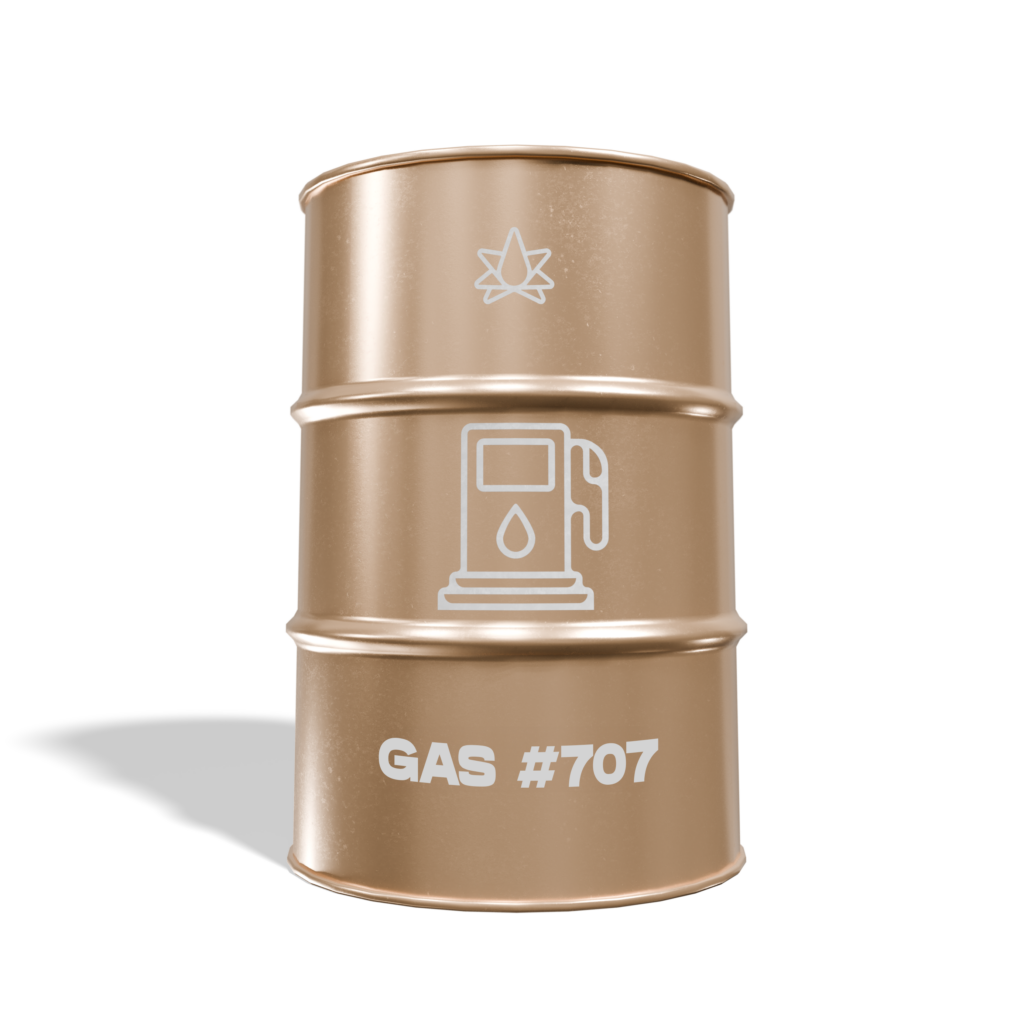
Gas #707 is anchored by Myrcene at 27.42% with Limonene at 11.55%, Caryophyllene at 10.95%, Humulene at 3.50%, and Ocimene at 3.45%. The Humulene adds earthy, woody depth that one-dimensional gas profiles miss, and the Ocimene brings a sweet-herbal lift at the top that gives the profile genuine aromatic range.
For concentrate and vape applications targeting experienced consumers who evaluate quality by gas character, this is the profile to start with.
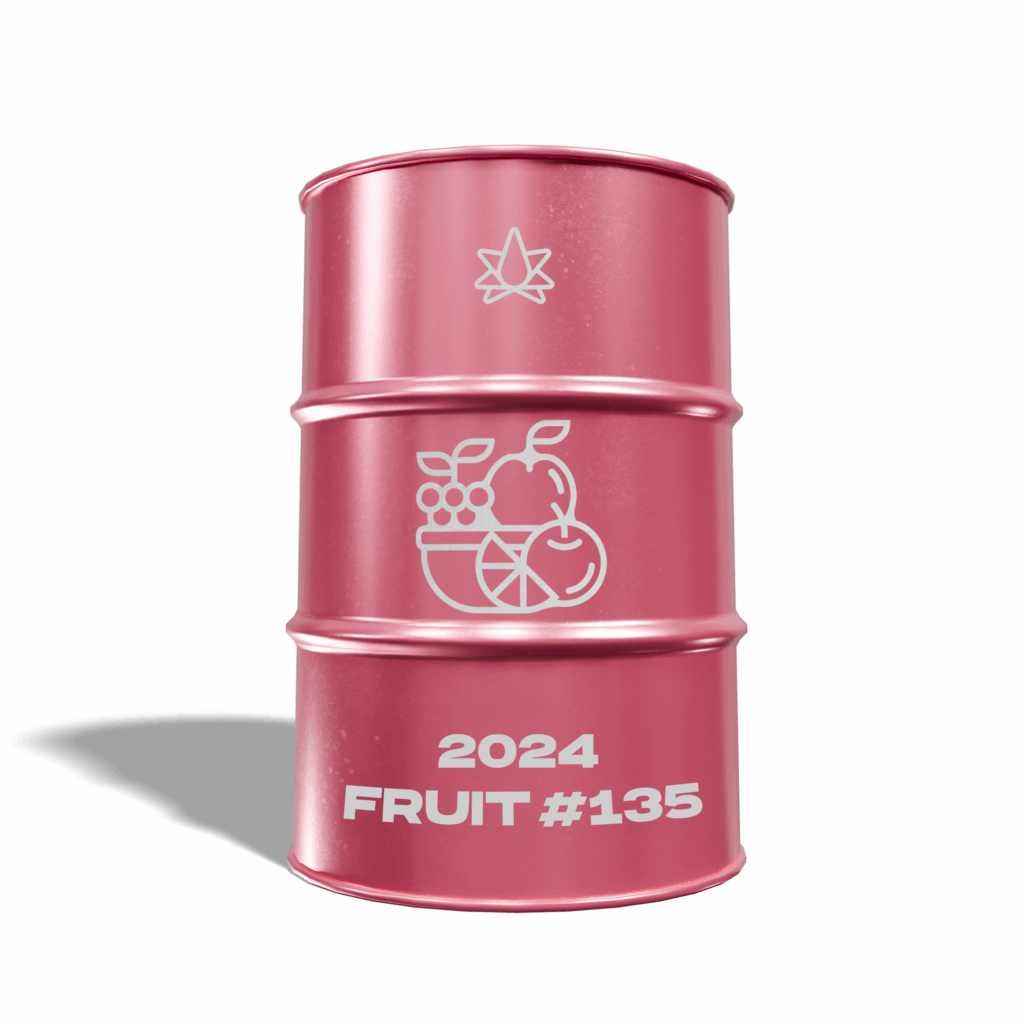
2024 Fruit #135 leads with Limonene at 24.04% and Caryophyllene at 15.13%, with Pinene at 5.23% providing the structural backbone. The profile draws from a Forbidden Fruit-adjacent cultivar with layered muscat grape, grapefruit, and citrus peel character that holds well in vape cartridge applications where aromatic integrity needs to survive fill and storage.
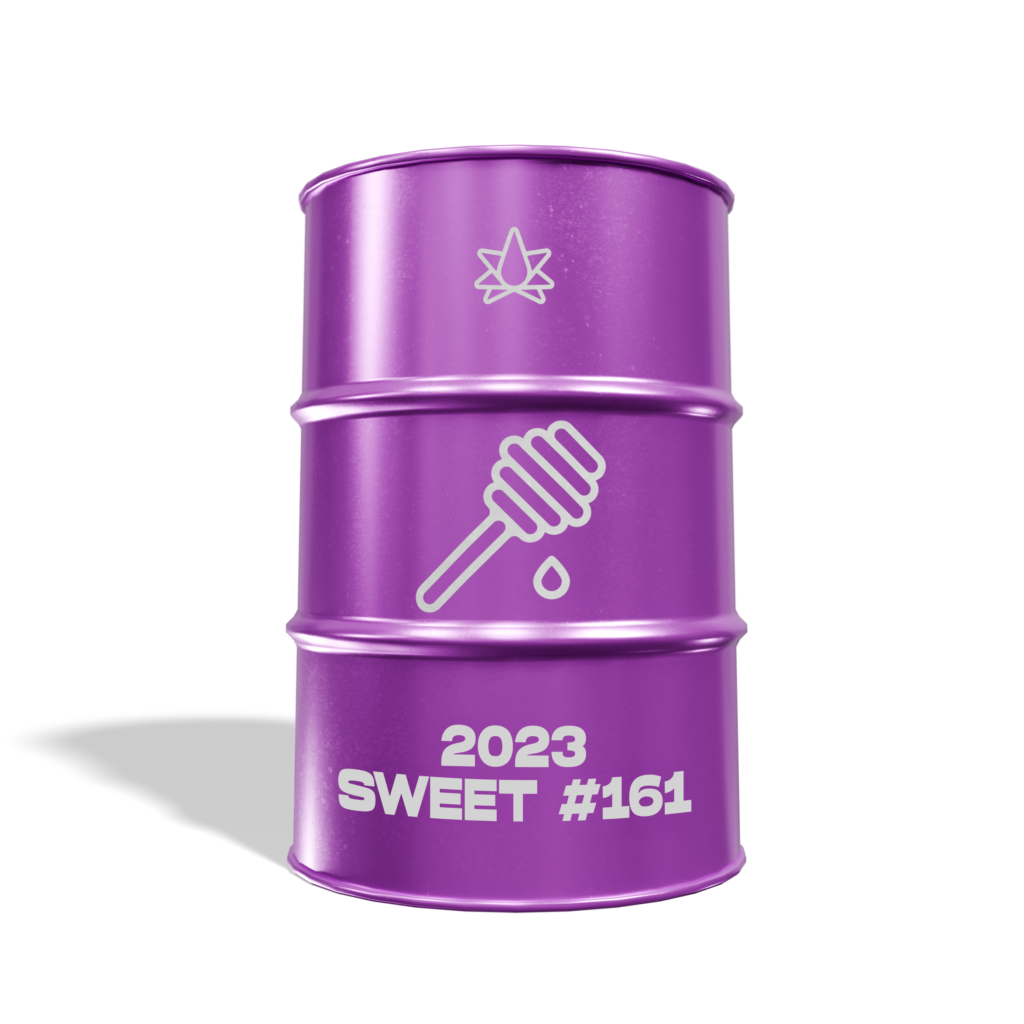
2023 Sweet #161 runs Myrcene-dominant at 36.99% with Pinene at 14.76%, Limonene at 7.12%, and Beta-Caryophyllene at 6.49%. The Papaya Punch-adjacent profile carries tropical-sweet character through dense base matrices, making it a reliable choice for edibles, tinctures, and any application where CDT intensity needs to be present at the consumer level.
2. Duty Free Terpenes

Duty Free Terpenes is a flavor-forward CDT brand built on the same agricultural sourcing model we use. Their hemp-derived terpenes come from California-grown flower, and every product is formulated on that CDT base with a 100% natural flavor topper added to amplify specific aromatic categories. No synthetic botanicals, no petroleum byproducts. The CDT foundation is real, and the flavor layer is natural.
DFT’s catalog is organized around six consumer-facing flavor categories, each built to perform in vape and infused pre-roll applications where the purchase decision happens at the shelf based on what the product smells and tastes like.
Core Product Categories
The six DFT flavor categories each target a distinct market segment:
- Hydrocarbon: Gas-forward profiles designed to replicate the aromatic character of high-quality hydrocarbon-extracted concentrates, built for operators whose customers evaluate quality by fuel and diesel character.
- Strainz: Strain-specific CDT profiles. Strawberry Cough delivers fresh strawberry over herbal sweetness with citrus peel and light pine. Candy Rain is a cold-extraction CDT in the Strainz line with no flavor topper, making it DFT’s closest expression to a pure CDT profile.
- Candy: Bubble Gum is the flagship, delivering classic pink bubble gum backed by fruity floral and herbal notes from the CDT base underneath that keep the profile from reading as synthetic.
- Fruit: Five profiles covering the most commercially active fruit categories. Pina Colada, Double Melon, Hella Honeydew, Peach Ringz, and Raspberry Parfait each hit distinct consumer flavor expectations.
- Soda: Profiles built around soft drink flavor cues, targeting nostalgia-driven consumer segments that have consistently outperformed in flavored vape categories.
- Syrup: The densest, sweetest category in the lineup. Purple Drank runs grape soda and sweet syrup with lavender on the floral edge. Big Red rounds out the category with a cinnamon-forward character that broadens appeal beyond purple-profile consumers.
When DFT Makes More Sense Than Our CDT Line
The enhanced natural model makes sense when your application is primarily evaluated by consumer flavor performance rather than sourcing documentation depth. Vape brands that need a loud, identifiable flavor hook to compete at retail, pre-roll producers building infused SKUs with consumer flavor appeal, and brand operators leaning into cultural flavor references are the natural fit.
DFT delivers CDT credibility on the documentation side while giving you the flavor intensity that a straight CDT extraction typically cannot reach.
3. Abstrax

Abstrax is a large-scale botanical terpene supplier based in California with an extensive catalog of strain-named profiles, flavor lines, and formulation additives. The company produces terpenes through molecular distillation of non-cannabis botanical sources and blends them to approximate cannabis strain profiles.
Their catalog includes the Cloudburst Series for high-intensity flavor, the Native Series positioned as closer cannabis fidelity, and the Signature Series for proprietary blends. They also publish COAs and SDS documentation consistently and offer custom formulation services.
Core Product Categories
- Strain Profiles: A large catalog of cannabis strain-named products built from botanical isolates analyzed against cannabis GC-MS reference profiles. The reconstructed approach delivers consistency at volume but does not carry a cannabis-derived sourcing chain.
- Cloudburst Series: High-intensity flavor profiles designed for vape applications where flavor performance is the primary evaluation criterion. Built for brands competing on flavor rather than sourcing authenticity.
- Native Series: Positioned as Abstrax’s closest-to-cannabis offering, using botanical sources and additional research methodology to approximate strain character. The sourcing is still botanical, not cannabis-derived.
- Flavor Collections (Candy, Soda, Fruit, Dessert, Tart): Flavor-driven profiles organized around consumer flavor archetypes rather than strain identity. These are functional flavor tools for brands building consumer products in non-cannabis-specific markets.
- Isolates and Additives: Single-compound botanical isolates and formulation additives for brands building custom blends or addressing specific hardware and viscosity problems.
What Makes Terpene Belt Farms Better Than Abstrax?
The sourcing reality is the defining difference. Abstrax’s catalog, including every strain-named product, is built from botanical sources. A buyer who sources Abstrax terpenes to support a CDT claim on a label or in a retail buyer conversation has a documentation gap, because the COA reflects botanical origin regardless of the product name.
Research suggests that Cannabis sativa terpenes demonstrate cannabimimetic activity distinct from isolated compounds alone, which means the distinction between CDT and botanical is not merely semantic for brands building effect-based positioning.
Molecular distillation produces consistent results but starts from a reconstruction target. Our Fresh Never Frozen® steam distillation extracts directly from the plant, capturing minor compound complexity that botanical reconstruction cannot account for because those compounds were never isolated.
The result is a COA that shows what the cultivar actually expressed rather than what a flavor chemist targeted. For brands where CDT authenticity is the foundation of the product story, that difference appears in the documentation before it appears in the product.
Why Terpene Belt Farms Is the Right Supplier for Your Formulation
After running all three suppliers through the same sourcing and documentation criteria, the differences resolve clearly. For brands where cannabis-derived authenticity is a core product claim, a compliance requirement, or a retail buyer conversation topic, our CDT line is the only option of the three with a verifiable cannabis sourcing chain and third-party documentation to match.
- COA Transparency: Every batch ships with a third-party COA from an ISO/IEC 17025 accredited laboratory showing individual compound percentages verified by GC-MS and GC-FID. No account required, no login wall, no self-reported data.
- California-Sourced Fresh Never Frozen® CDTs: Every terpene in our catalog originates from Cannabis Sativa L. cultivated on our Northern California farm network, processed fresh without freezing. The provenance is documented per batch, not reconstructed from non-cannabis isolates.
- ISO/IEC 17025 and cGMP Certification: Our testing laboratory holds ISO/IEC 17025 accreditation, meaning its methodology has been independently validated. Our manufacturing facility is cGMP certified to federal pharmaceutical-grade production standards. These are not self-reported designations.
- Supply Chain Built for Volume: Our catalog supports formula standardization across production runs. Vintage-coded profiles give your R&D team a documented sourcing reference for every batch, and our tiered pricing model scales from sample testing through large-volume wholesale.
- Format Versatility: Fresh Never Frozen® CDT oils, pre-emulsified water-soluble formats, and NEU Bag vapor-phase infusion packs cover the major formulation contexts under one supplier relationship.
When your product claims rest on cannabis authenticity, your inputs need to hold up to the same standard. Our wholesale program provides volume pricing, formulation support, and the compliance documentation that professional product development requires.
Frequently Asked Questions About Duty Free Terpenes, TBF, and Abstrax
Does Abstrax Produce Cannabis-Derived Terpenes?
Abstrax’s catalog is primarily botanical. Their terpenes are isolated from non-cannabis plant sources and blended to replicate cannabis strain profiles through GC-MS reference analysis. Their Native Series is positioned as their most cannabis-faithful line but still uses botanical sourcing. For brands that need cannabis-derived sourcing documentation on their COA, Abstrax cannot provide that across their catalog.
What Is the Difference Between DFT and TBF Terpene Products?
DFT builds enhanced natural CDT products: a hemp-derived CDT base from California-grown flower topped with 100% natural flavor enhancers to amplify specific consumer-facing aromatic categories. Our TBF line delivers pure, unaltered CDT with no flavor additives and vintage-coded documentation per harvest. DFT is the right fit when flavor performance is the primary evaluation metric. TBF is the right fit when CDT sourcing documentation is the primary evaluation metric.
How Does Fresh Never Frozen® Affect the Terpene Profile?
Fresh Never Frozen® means the cannabis biomass is processed immediately after harvest without freezing. Freezing can rupture trichome structures and accelerate oxidative loss of volatile monoterpenes, particularly the light monoterpenes that give fresh cannabis its bright aromatic character. Processing fresh without freezing keeps trichome integrity intact through transport and extraction, which means the resulting terpene oil reflects more of the original cultivar’s aromatic complexity than a profile extracted from frozen or stored material.
Can I Use TBF Terpenes and DFT Terpenes in the Same Production Operation?
Yes. Both product lines are oil-soluble and compatible with standard cannabis formulation bases. Many production teams use Fresh Never Frozen® CDTs for their premium SKUs and DFT enhanced natural profiles for their flavor-forward or value-positioned lines, keeping CDT authenticity at both tiers while differentiating the flavor expression between them.
Sources Used for This Article
- PubMed / NCBI: “Analysis of Terpenes in Cannabis sativa L. Using GC/MS: Method Development, Validation, and Application” – pubmed.ncbi.nlm.nih.gov/30646402/
- PMC / National Institutes of Health: “Cannabis sativa terpenes are cannabimimetic and selectively enhance cannabinoid activity” – pmc.ncbi.nlm.nih.gov/articles/PMC8050080/


