
Quick Answer: Terpenes do not cleanly determine whether a product is indica or sativa, but they are the closest proxy the cannabis industry has. Research shows that indica- and sativa-labeled samples are genetically indistinct on a genome-wide scale, and the labels themselves are most consistently tied to differences in terpene production rather than any deeper botanical or pharmacological divide. For formulators, this matters because it reframes the question from “which category does this strain belong to?” to “which terpene profile architecture produces the consumer experience I’m targeting?”
Key Takeaways
- Indica and sativa originally described plant structure and geographic origin, not consumer effects, and modern cannabis genetics have blurred those botanical distinctions almost entirely.
- Cannabis researchers now rely more on chemotype classification, THC-dominant, balanced THC/CBD, or CBD-dominant, because chemical composition predicts effects better than strain labels.
- Myrcene is commonly associated with “couch-lock,” but most supporting evidence comes from high-dose animal studies that do not reflect typical cannabis consumption patterns.
- Terpinolene shows the strongest association with energizing, sativa-leaning chemotypes, while linalool and high-myrcene architectures appear more often in calming, indica-positioned products.
- Terpene ratios matter more than individual compounds. A terpene profile’s overall architecture, not a single dominant terpene, shapes the product’s sensory and functional character.
- Research published in Nature Plants found indica- and sativa-labeled cannabis samples were genetically similar overall, with terpene production patterns being the main measurable difference.
- Shop sample kits from Terpene Belt Farms and see what real terpene profile architectures look like and build formulations around measurable chemotype behavior instead of unreliable strain labels.
What the Indica/Sativa Labels Were Designed to Measure
Most cannabis professionals have heard that the indica/sativa distinction is imprecise. Fewer know exactly why, or how that imprecision affects product development. The answer starts with where these labels came from in the first place.
Indica and Sativa Started as Botanical Categories, Not Effect Predictors
The terms “sativa” and “indica” were introduced in the 18th century as taxonomic designations based on physical plant characteristics.
- Cannabis sativa described tall, narrow-leafed plants originating from equatorial regions, while
- Cannabis indica referred to shorter, broader-leafed plants from the Hindu Kush mountain range.
- Cannabis ruderalis, a third category that is rarely discussed in consumer contexts, describes low-THC autoflowering plants from Central Asia.
None of these designations said anything about the experience a consumer would have after using the plant. That connection was retrofitted onto the taxonomy much later by the cannabis retail industry, and it stuck.
The problem is that modern commercial cannabis genetics are almost entirely hybrid, having been crossbred so extensively that the original morphological boundaries essentially no longer exist.
A product labeled “indica” at a dispensary today might carry genetics from plants that would have been called sativa two decades ago. The label has drifted far from its original meaning.
How Chemotype Classification Changed the Conversation
Researchers studying cannabis pharmacology moved away from the indica/sativa framework long before the retail industry did. The system scientists actually use is chemotype-based: Chemotype I strains are THC-dominant, Chemotype II strains carry a more balanced THC/CBD ratio, and Chemotype III strains are CBD-dominant.
These categories are measurable, verifiable, and directly tied to the compounds that produce consumer effects. They offer something the indica/sativa binary never could: a classification rooted in actual chemical composition rather than plant morphology.
This matters for product developers because it changes the sourcing conversation. A product’s effects are determined by what’s in the oil, not what the plant looked like in the ground.
Chemotype classification, combined with a full terpene profile, gives formulators a workable framework for predicting and replicating consumer experiences. The indica/sativa label gives them a starting point for consumer communication. Both have a role, but they are not the same thing.
What Terpenes Can and Cannot Predict About Cannabis Effects
Terpenes are the most chemically meaningful variable separating one cannabis experience from another at the aromatic and functional level. That said, the relationship between specific terpenes and specific effects is more conditional than most industry content suggests.
Some terpenes genuinely track with chemotype patterns. Others are commonly misrepresented.

Myrcene and the Sedation Claims
Myrcene is routinely described as the compound responsible for the sedative, “couch-lock” quality associated with indica-labeled products. The origin of that claim matters.
At very high doses in preclinical models, myrcene was found to produce sedative effects comparable to phenobarbital, but those findings come from animal studies using isolated myrcene at concentrations far above what a human would consume through cannabis.
There is sparse empirical evidence of myrcene’s anxiolytic and sedating effects at the concentrations found in cannabis products, or when inhaled to model the pharmacokinetic properties of common cannabis consumption methods.
That doesn’t mean myrcene has no activity, but the sedation story has been significantly overstated.
One of the core questions is whether consumers are actually ingesting sufficient myrcene doses to achieve those effects, given that mouse studies use injection doses that bear no resemblance to typical cannabis use. For formulators, this means relying on myrcene percentage alone to position a product as relaxing or calming is not well-supported by the human-relevant data.
The high-myrcene-equals-indica correlation is real as a labeling pattern, but it reflects how those products happen to be classified, not a proven mechanism of sedation.
Terpenes That Do Show Consistent Chemotype Patterns
Not every terpene-chemotype correlation is speculative. Some compounds genuinely cluster with specific profile types in ways that are useful for formulation decisions.
A study published in the journal Cannabis and Cannabinoid Research analyzing 140 medicinal cannabis flowers found that distinct terpene clusters emerged that aligned more reliably with expected pharmacological differences than the label system ever could. Within that space, certain terpenes stand out:
- Terpinolene: The single strongest sativa proxy. Only about one in ten cannabis strains are terpinolene-dominant, and those that are consistently display uplifting, energizing consumer-reported effects. It appears almost exclusively in sativa-classified chemotypes.
- Ocimene: Shares a similar pattern to terpinolene, appearing as a significant co-contributor in energizing profiles but rarely dominating calming or sedative ones.
- Linalool: The best-supported individual terpene for calming profile applications. Research suggests linalool influences multiple neurotransmitter signals relevant to anxiety and insomnia, and it appears more frequently in indica-leaning chemotypes, though rarely as the dominant compound.
- Beta-Caryophyllene: Chemotype-agnostic. It appears across both energizing and calming profiles at comparable rates. Its activity through CB2 receptor agonism gives it a functional profile distinct from the indica/sativa framework entirely, and it should be evaluated on its own terms.
Why Terpene Ratios Matter More Than Individual Compounds
The framing of “which terpene is indica and which is sativa” misses something important.
Terpene effects at the formulation level are not properties of individual compounds in isolation but outputs of the whole profile. Limonene at 25% total terpene concentration creates a very different product than limonene at 8%, even when every other variable is identical. A profile led by myrcene at 15% alongside 20% terpinolene and 10% ocimene will read and function very differently from a profile where myrcene runs at 35% with no terpinolene at all.
The dose-dependence of terpene activity is a consistent theme in the preclinical literature. Research suggests that the anxiolytic effects of compounds like linalool and myrcene depend significantly on the exposure level, delivery method, and the presence of supporting cannabinoids.
This makes it difficult to assign fixed effect labels to any single compound across all contexts. For formulators, this points to the same conclusion: profile architecture, the specific combination and relative ratios of the compounds present, is the variable that actually determines product character. Individual compound identity is a starting point, not an endpoint.
Terpene Profile Patterns Across Energizing and Calming Chemotypes
Rather than assigning terpenes to bins, it is more useful to look at the compound patterns that consistently appear across strains consumers report as energizing versus calming. This is where the research becomes practically actionable for product developers.
A 2021 study published in Nature Plants analyzed over 100 cannabis samples and genotyped them across more than 100,000 genetic markers while simultaneously measuring terpene content, concluding that what did correlate with sativa/indica labeling was terpenes. More specifically, myrcene concentration alone explained more than 21% of the variation between indica- and sativa-labeled samples.
Terpinolene and Energizing Profiles
The profile pattern most consistently associated with uplifting, energizing consumer experiences is terpinolene-forward architecture. Terpinolene as the dominant compound in the 15–40% range, combined with moderate myrcene kept below 15%, and supported by limonene or ocimene, is the profile signature of the Haze family and related sativa-leaning genetics.
Jack Herer, Trainwreck, Dutch Treat, Super Silver Haze, and XJ-13 all follow this pattern. What they share is not just the presence of terpinolene but a specific ratio architecture where the energizing monoterpenes lead, and myrcene plays a supporting role rather than dominating.
This is important because it means adding terpinolene to a myrcene-heavy profile will not produce the same result as starting with a terpinolene-led profile and adding moderate myrcene support.
The lead compound and its relative concentration set the direction of the profile. Supporting compounds shape the character within that direction. Formulators building energizing-category SKUs should be evaluating profiles based on that architecture, not just checking for the presence of terpinolene as a line item on a COA.
For a formulation-ready example, 2023 Citrus #7 carries 38.15% terpinolene as its dominant compound, supported by ocimene at 9.80% and limonene at 6.24%.
That profile architecture follows exactly the pattern seen in consumer-validated sativa-type cultivars like Clementine, Cali-O, and Agent Orange. The terpinolene-to-myrcene ratio here is heavily weighted toward the energizing end of the spectrum.
Terpene Signatures in Calming Chemotypes
Calming profile architecture follows a different pattern. High myrcene in the 20%+ range as the lead compound, with linalool and/or caryophyllene contributing at meaningful levels, is the compound signature most commonly associated with indica-labeled, calming-positioned products.
Research on terpene profiles across indica biotypes found that indica strains were characterized by dominance of myrcene at high relative concentrations, often with limonene or alpha-pinene as secondary compounds, a pattern that holds reasonably well across commercial genetics.
One complication worth noting for formulators is that many “indica” profiles also carry elevated pinene, which has independent preclinical data suggesting alerting and memory-supporting effects.
This means the sedative direction of a high-myrcene profile can be partially counteracted by a significant pinene presence, producing a product that does not behave the way the label suggests. Pure sedation profiles are rarer than the category suggests. Most high-myrcene commercial genetics are mixed-effect architectures, which is something formulators building sleep or relaxation SKUs need to account for when selecting source material.
Pine #606 is a useful illustration of this mixed architecture. It carries 20.50% myrcene as co-lead alongside 21.39% terpinolene, creating a profile that sits between the two poles.
The result reads more as complex and balanced than as a clear-direction energizing or calming product, which is exactly what its Dutch Treat reference strain would suggest. That kind of in-between profile has its own commercial applications, but it should not be positioned as either a clean sativa or a clean indica without managing consumer expectations carefully.
Profiles That Fall Outside the Binary
Caryophyllene-dominant profiles do not fit cleanly into either the indica or sativa framework. Caryophyllene’s primary mechanism involves CB2 receptor agonism rather than the aromatic or GABAergic pathways associated with the monoterpene-driven effects of myrcene and linalool.
It appears at significant concentrations across both energizing and calming chemotypes, and its presence at dominant levels (15%+) does not reliably predict a consumer experience in either direction. Products led by caryophyllene are better positioned around its specific CB2-related functional properties than around any indica/sativa label.
On the other side, high-ocimene profiles with myrcene as a significant co-lead represent another category that resists clean binary placement. Ocimene’s aromatic character reads as fresh and sativa-adjacent, but its functional data is thin compared to terpinolene, and its combination with myrcene creates profiles that consumers often report as complex and unpredictable rather than directionally energizing.
Modern genetics are predominantly hybrid terpene architectures, and the binary framework simply was not designed to handle the full range of compound combinations available in today’s catalog.
| Profile Pattern | Dominant Terpene | Typical Chemotype Label | Effect Consistency |
| Terpinolene-forward | Terpinolene (15–40%) | Sativa/sativa-hybrid | High |
| Myrcene-forward | Myrcene (20%+) | Indica/indica-hybrid | Moderate |
| Linalool-supported | Linalool (5–10%+) | Indica | Moderate |
| Caryophyllene-dominant | Caryophyllene (15%+) | Chemotype-agnostic | Low |
| Limonene + ocimene | Limonene (15–25%) | Sativa/hybrid | Moderate-high |
Why Terpene Belt Farms Builds Profiles, Not Just Labels
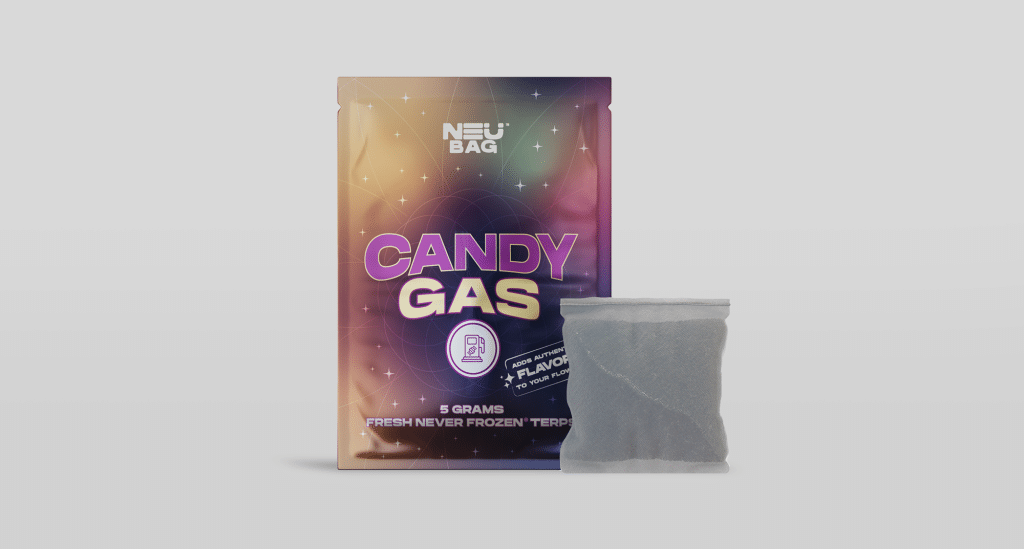
Most terpene suppliers hand you a COA and leave you to figure out what the numbers mean for your product. Terpene Belt Farms takes a different approach. Every profile in the catalog is single-varietal, Fresh Never Frozen, and extracted from California-grown hemp that has been cultivated specifically for terpene expression.
The result is a level of COA-verified terpene data that makes profile architecture decisions possible rather than speculative.
When you are building a product that needs to deliver on a sativa or indica label claim, the terpene profile is the variable that determines whether that claim holds up. Terpene Belt Farms’ catalog spans the full range of profile architectures, from high-terpinolene citrus and pine expressions through myrcene-forward sweet and gas profiles, with batch-to-batch consistency that production teams can rely on.
The profiles are not blended to approximate a target. They are whole-plant CDT profiles from verified chemotypes, which means the ratio architecture is captured as-grown rather than reconstructed after the fact. That distinction matters when the profile architecture is the thing that drives your consumer experience.
If you are in R&D, the best starting point is testing real profiles at production-relevant concentrations. Request our sample kits today and see how we can help.
Frequently Asked Questions About Indica, Sativa, and Terpenes
Do Indica and Sativa Have Different Terpene Profiles?
Broadly, yes, but the difference is statistical rather than absolute. Research shows that indica-labeled strains tend to have higher myrcene concentrations, while sativa-labeled strains more often feature terpinolene, ocimene, or complex multi-monoterpene profiles as lead compounds. But the overlap is significant. Products labeled the same way can have radically different terpene architectures, and the label is not a reliable predictor of what is actually in a given product.
What Terpene Is Most Associated With Sativa Effects?
Terpinolene has the strongest and most consistent association with sativa-type, energizing chemotypes. It appears as the dominant terpene in roughly one in ten cannabis strains, and those strains are almost uniformly classified as sativa or sativa-leaning hybrid. Ocimene shares a similar pattern as a co-compound. Limonene is often cited, but its association with sativa classification is less specific since it appears across both energizing and calming profiles at variable concentrations.
Is Myrcene Really Responsible for Couch-Lock?
The evidence for this is much weaker than the industry commonly suggests. The myrcene-sedation claim traces back to high-dose animal studies that used isolated myrcene at concentrations not comparable to cannabis consumption. Human-relevant data on myrcene sedation at typical use doses is essentially absent. The correlation between high myrcene and indica labeling is real, but that does not establish myrcene as the mechanism of sedation in those products.
Can You Build an Indica-Positioned Product Without Knowing the Strain?
Yes, but you need the COA terpene breakdown rather than relying on the strain name. A profile with high myrcene (20%+) as the dominant compound, supported by linalool and/or caryophyllene, and with terpinolene absent or minimal, gives you the profile architecture most associated with calming, indica-positioned consumer experiences. The strain name is a shorthand reference. The terpene percentages are the actual formulation data.
Why Do Two Products With the Same Label Feel So Different?
Because the label is assigned based on genetics or branding convention, not on the terpene profile. Two products both labeled “indica” can have completely different terpene architectures, one myrcene-dominant with linalool support, the other high-caryophyllene with no linalool at all. The consumer experience is driven by the profile, not the label. This is one of the strongest arguments for terpene transparency at the product level.
Does Indica/Sativa Labeling Have Any Scientific Basis?
Partial. A 2021 study in Nature Plants found that indica- and sativa-labeled cannabis samples were genetically indistinct on a genome-wide scale. The one area where labeling did correlate with measurable differences was terpene synthase gene variation, specifically genes that control the expression of a small number of key aromatic terpenes. This means the labels, to the extent they capture anything chemically real, are describing terpene production differences rather than a fundamental genetic or pharmacological divide.
Sources Used for This Article
- ScienceDirect: “Myrcene” – sciencedirect.com/topics/agricultural-and-biological-sciences/myrcene
- ResearchGate: “Classification of Cannabis Strains Based on their Chemical Fingerprint—A Broad Analysis of Chemovars in the German Market” – researchgate.net/publication/383091614_Classification_of_Cannabis_Strains_Based_on_their_Chemical_Fingerprint-A_Broad_Analysis_of_Chemovars_in_the_German_Market
- National Center for Biotechnology Information: “The Cannabis Terpene Myrcene: A Review of its Pharmacology and Therapeutic Potential” – pmc.ncbi.nlm.nih.gov/articles/PMC9886818/
- National Center for Biotechnology Information: “Pharmacological Aspects and Biological Effects of Terpene Derivatives: A Review” – pmc.ncbi.nlm.nih.gov/articles/PMC8163236/
- National Center for Biotechnology Information: “The Entourage Effect of Cannabis sativa: A Review of the Synergistic Interactions between Cannabinoids and Terpenes” – pmc.ncbi.nlm.nih.gov/articles/PMC11676933/
- Nature Plants: “The evolution of Cannabis sativa utilizes a specialized gene pool for terpenes” – nature.com/articles/s41477-021-01003-y
- National Center for Biotechnology Information: “Terpenes/Terpenoids in Cannabis: Are They Important?” – pmc.ncbi.nlm.nih.gov/articles/PMC8489319/
- National Center for Biotechnology Information: “Aroma and Terpene Profiles of Professional Cannabis Samples and Their Relation to Consumer Preference” – pmc.ncbi.nlm.nih.gov/articles/PMC10347414/