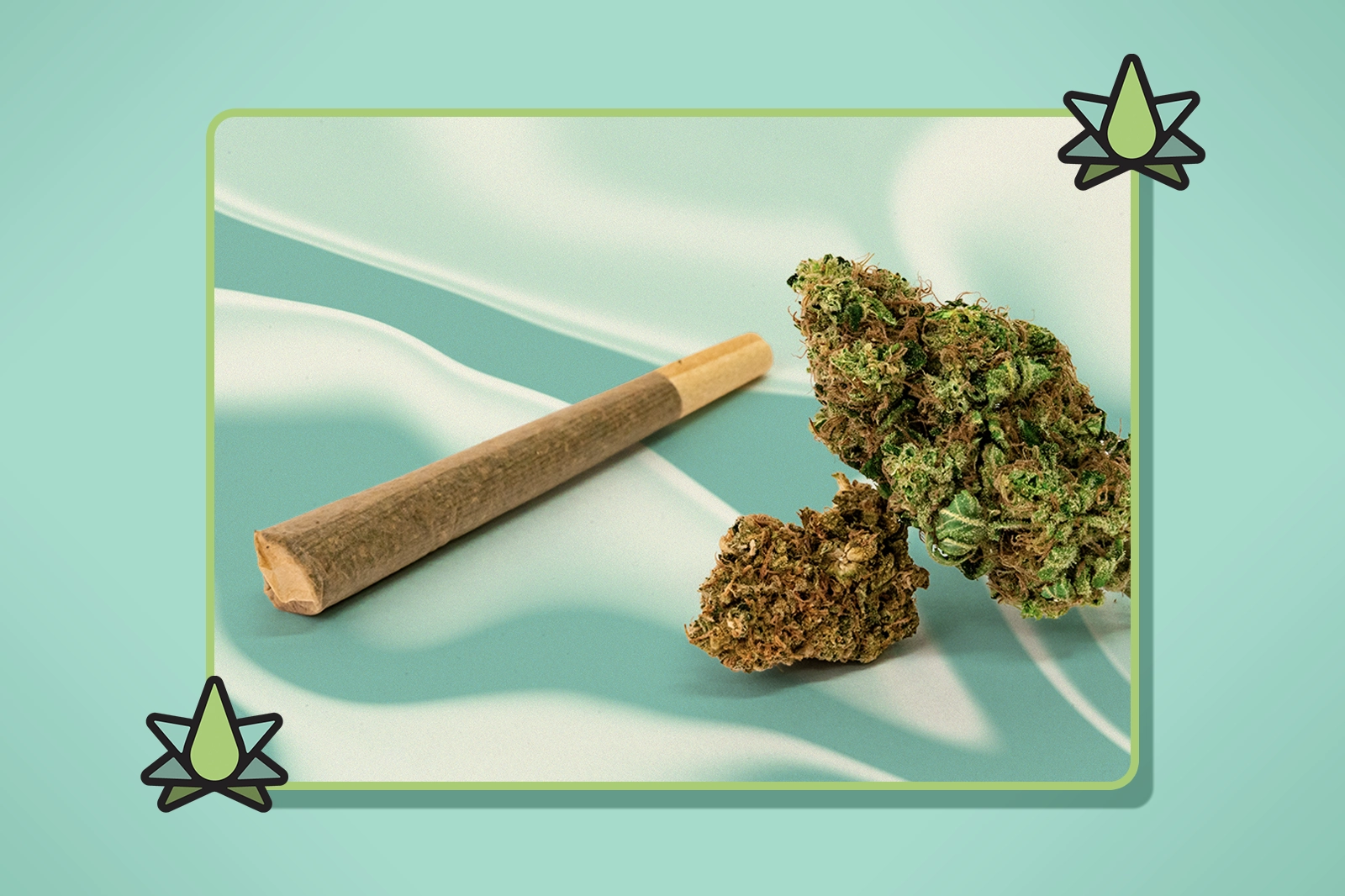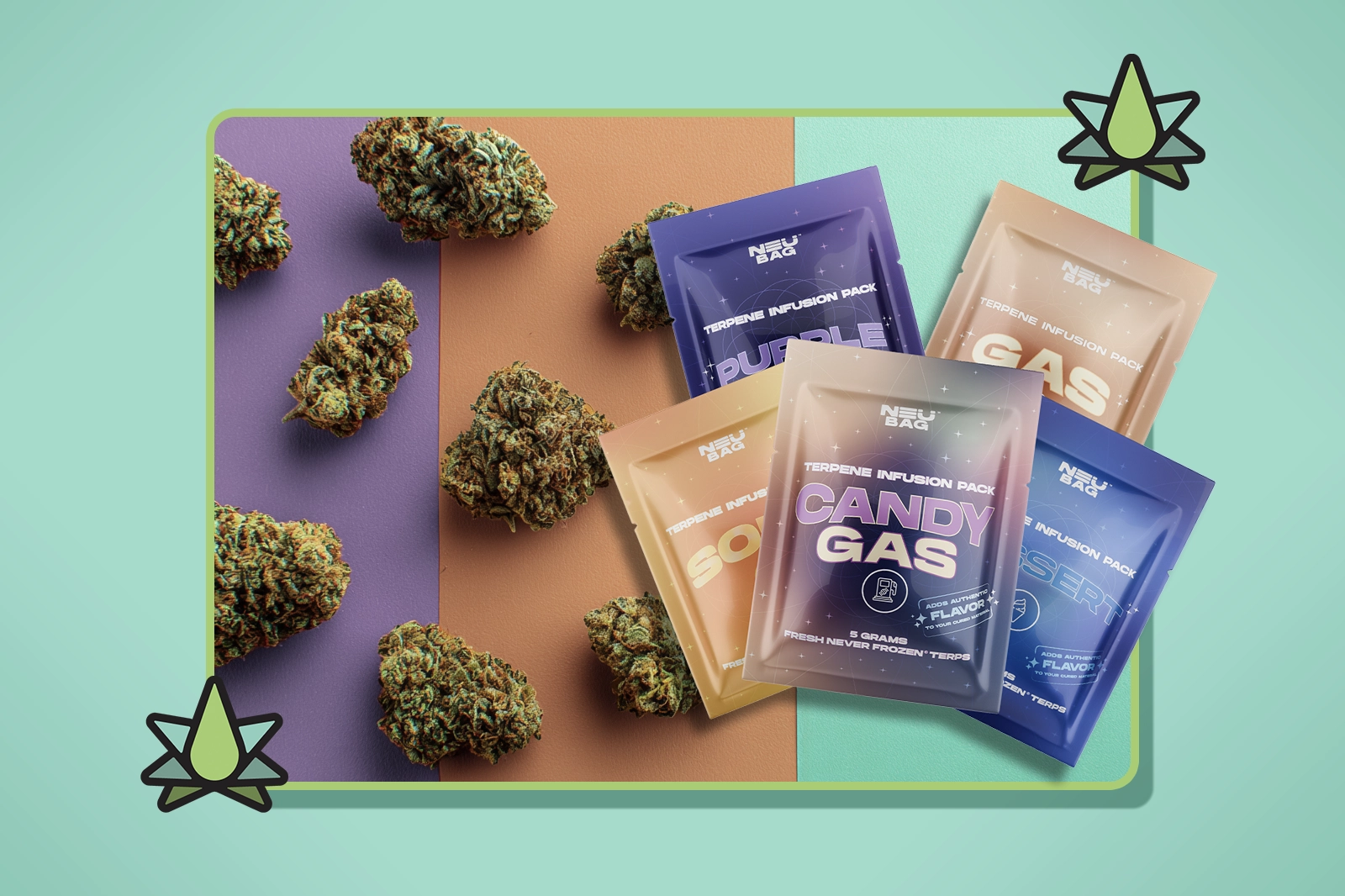
Quick Answer: Terp packs for weed are terpene-saturated mesh pouches placed inside sealed containers of cured cannabis flower. Through a passive diffusion process, terpene oil migrates from the pack into the flower over 48 to 72 hours, raising the total terpene content without sprays, equipment, or additives. They are used commercially to restore aroma and flavor lost during curing and long-term storage, and to maintain consistent terpene profiles across batches.
Key Takeaways
- Terp packs are terpene-infused mesh pouches placed inside sealed cannabis containers to restore aroma and flavor lost during curing and storage through passive vapor diffusion.
- Terpene infusion packs are completely different from terpene pearls used in dab rigs; one delivers aromatic compounds, while the other only improves concentrate vaporization mechanics.
- Cannabis flower loses substantial terpene content after harvest, with research showing roughly 31% loss after one week of drying and up to 55% after extended storage.
- Monoterpenes like myrcene, limonene, and pinene evaporate faster than heavier sesquiterpenes, which is why cured flower often smells earthier and less vibrant over time.
- Terp packs work through concentration gradient diffusion, where terpene vapor migrates from the saturated pouch into low-terpene flower until equilibrium is reached.
- Vapor-phase infusion provides more even terpene distribution than spray application and avoids wet spots, equipment costs, and uneven coating across flower batches.
- Shop Terpene Belt Farms NEU Bag to test Fresh Never Frozen cannabis-derived terpene infusion for flower, pre-roll, and batch-consistency enhancement workflows.
Cannabis flower loses a significant portion of its terpene content long before it reaches the consumer. The drying and curing process, storage timelines, and distribution handling all chip away at the aromatic compounds that define a strain’s character.
By the time a product hits retail, the profile a cultivar was grown for may be a fraction of what it was at harvest. For producers, this creates a real gap between what the genetics promise and what the finished product delivers.
Terp packs have become one of the more practical tools for closing that gap, but they are also one of the more misunderstood. Some operators treat them as a quick cosmetic fix. Others dismiss them as a workaround for low-quality material.
Here’s everything you need to know about terp packs and what they can do for your formulations.
What Are Terp Packs for Weed?
The term “terp pack” gets used in two completely different contexts in cannabis, and the confusion is worth clearing up before going further.
In the world of concentrates and dabbing, “terp pearls” or “terp balls” are small heat-resistant beads placed inside a banger to improve heat distribution and airflow during a dab session. They are hardware accessories with no terpene content whatsoever. The name is purely mechanical.
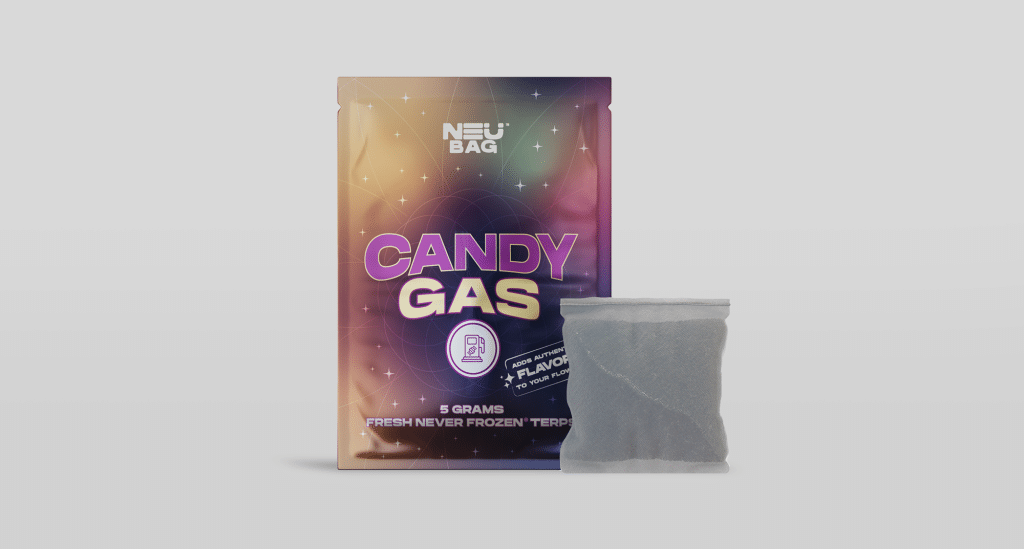
The terp packs this article covers are something entirely different: terpene infusion packs designed for cured flower. Most companies have different names for their terp packs. We, the people at Terpene Belt Farms, call ours NEU Bags.
These are mesh or fabric pouches saturated with concentrated terpene oil, placed inside a sealed container of flower to gradually transfer aromatic compounds into the plant material. They are a post-harvest production tool, not a dab accessory, and the two should not be conflated when evaluating them for commercial use.
Terpene Infusion Packs Vs. Terpene Pearls
Terpene pearls are quartz or borosilicate glass beads, typically 4 to 6 millimeters in diameter, used with a carb cap to spin concentrates around a heated banger for more even vaporization.
They have no chemical function in terms of terpene delivery. Terpene infusion packs, by contrast, are biological delivery mechanisms. They contain actual terpene oil derived from cannabis or botanical sources and are designed to introduce those compounds into plant material through a controlled diffusion process. The two share a name prefix and nothing else.
- Purpose: Pearls improve heat distribution in a dab banger; infusion packs restore terpene content in cured flower
- Material: Pearls are quartz or borosilicate glass beads (4–6mm); infusion packs are porous mesh pouches saturated with terpene oil
- Terpene Content: Pearls contain none; infusion packs contain cannabis-derived or botanical terpene oil
- Used with: Pearls pair with dab rigs and carb caps; infusion packs go inside sealed flower containers
- Mechanism: Pearls spin concentrate around a heated banger; infusion packs transfer terpene vapor into plant material through passive diffusion over 48–72 hours
How Terpene Infusion Packs Are Made
Most commercial terpene infusion packs consist of a porous mesh or fabric pouch saturated with a concentrated terpene oil blend. The mesh allows vapor-phase diffusion while containing the liquid, so terpenes transfer into the surrounding flower environment without direct liquid contact.
The terpene oil inside the pack can be cannabis-derived, botanically sourced, or a blend of both. That distinction carries real formulation implications, which will be covered in a later section. Pack sizing is generally standardized to treat one pound of flower per pack, making dosing straightforward to scale across commercial batch sizes.
Why Cured Flower Loses Its Terpenes in the First Place
Post-harvest terpene loss is not a storage problem alone. It begins the moment the plant is cut and accelerates at every stage of handling. Terpenes are volatile organic compounds, which means they evaporate readily at room temperature, well before any heat is applied.
The typical production chain, harvest to cure to package to distribution, exposes flower to repeated environmental changes: temperature shifts, humidity fluctuations, repeated container openings, and extended storage timelines. Each exposure event drives off more of the aromatic compounds built up during cultivation. By the time product reaches retail, a large share of what was grown into the plant is gone.
The Volatile Nature of Monoterpenes Vs. Sesquiterpenes
Not all terpenes are equally vulnerable to post-harvest loss.
- Monoterpenes, which include compounds like myrcene, limonene, terpinolene, and pinene, have lower molecular weights and higher vapor pressures. That means they evaporate faster and are disproportionately affected by heat, airflow, and time.
- Sesquiterpenes like beta-caryophyllene and humulene are heavier molecules with lower vapor pressures, making them more stable post-harvest.
This is why research tracking curing effects shows sesquiterpenes increasing as a percentage of total terpene content over time, not because they are being produced, but because monoterpenes are evaporating faster. The top-note aromatic complexity associated with fresh, living cannabis is largely a monoterpene expression, and it is the first thing to go.
How Much Terpene Loss Actually Happens
The numbers here are more significant than most producers account for. Published research tracking terpene content in Cannabis sativa inflorescence found losses of 31% after one week of air drying, 44.8% after one month, and 55.2% after three months of storage, compared to freshly harvested material.
Individual monoterpenes fare even worse. Beta-myrcene, one of the most commercially recognizable terpenes in cannabis, has been shown to drop by as much as 55% within a single week of drying under standard conditions.
Additional reporting from Cannabis Business Times puts the cumulative loss estimate at 60% to 90% of original terpene content by the time flower reaches the point of sale, when accounting for all post-harvest processes. That range reflects the compounding effect of drying method, curing duration, packaging quality, and shelf time. The lower end assumes well-controlled conditions throughout. The upper end is what happens when any of those variables falls short.
What Low-Terpene Flower Costs You Commercially
These losses translate directly into margin and positioning problems. Flower that tests low on terpenes is harder to justify at premium price points, performs poorly in sensory evaluations, and struggles to maintain consistent identity across batches.
The strain name on the label can promise a profile that the actual product no longer delivers. In a market where sophisticated buyers are definitely looking at the cannabis terpene profiles as quality indicators rather than afterthoughts, low-terpene flower is a commercial liability regardless of how well the genetics performed in the field.

How Terp Packs Work: The Diffusion Mechanism
The mechanism behind terpene infusion packs is rooted in a straightforward physical principle: concentration gradient diffusion.
Terpene molecules move from areas of high concentration to areas of low concentration until the two environments reach equilibrium. The infusion pack is the high-concentration environment. The cured flower is the low-concentration environment. Sealing them together in an airtight container is what initiates the transfer.
This process does not require heat, solvents, or any mechanical input. It is passive, which is part of why it scales well for commercial use. A producer running a 500-pound batch needs the same workflow as one running 10 pounds, just more packs and more containers.
The physics do not change with volume.
Concentration Gradient Diffusion Explained
When a terpene-saturated infusion pack is placed inside a sealed container of flower, terpene vapor begins filling the headspace of the container. Cured plant material is porous and lipophilic, meaning it readily absorbs oil-soluble compounds.
The flower draws terpene molecules in from the vapor phase and from direct contact points, the same way a dry paper towel absorbs water placed near it. Transfer continues until the concentration differential between the pack and the surrounding material is resolved. The rate of transfer depends on temperature, the moisture content of the flower, the tightness of the seal, and how much air is displaced before sealing.
Vapor-Phase Vs. Liquid Application: What’s the Difference
The alternative to pack-based infusion is spray application, where terpene oil diluted in a carrier is sprayed directly onto flower during packaging or processing.
Spray methods offer speed and flexibility in dosing, but they introduce two consistent problems: surface coating rather than deep absorption, and uneven distribution across the batch.
Here is how the two approaches compare across the variables that matter most in production:
- Application Method: Sprays coat flower surfaces directly with liquid terpene oil; vapor-phase packs diffuse terpenes through the container atmosphere before absorption into plant material
- Distribution: Sprays create hot spots of saturation near the nozzle and underexposed areas further away; vapor-phase diffusion reaches flower throughout the container uniformly
- Equipment Requirements: Sprays require atomization equipment, ventilation, and cleanup; packs need only a sealed container already in use
- Absorption Depth: Spray terpenes concentrate on outer flower surfaces; vapor-phase terpenes migrate into plant structure through the same absorption mechanism as native compounds
- Consistency: Spray results vary with operator technique, nozzle calibration, and batch density; pack-based infusion is governed by concentration gradient physics, making outcomes more reproducible
We compared these two methods of application in detail in this article.
Timeline and Dosing: What to Expect
Initial aroma transfer begins within a few hours of sealing. Full infusion, meaning terpenes have migrated evenly throughout the flower material, typically occurs within 48 hours. Extended infusion beyond 72 hours provides diminishing returns, as the concentration differential between pack and flower narrows.
One pack per pound of flower is the standard dosing ratio. Turning or gently agitating the flower material at the 3-hour mark and again at 24 hours improves homogeneity by redistributing flower that may be packed densely in the center of the container.
Minimizing headspace when sealing the container, by removing excess air before closing, speeds up the process by concentrating the terpene vapor in a smaller volume.
How Terpene Belt Farms Solves the Post-Harvest Terpene Problem
Most operations dealing with terpene loss are managing a bottleneck they did not create. The genetics were right, the cultivation was solid, but by the time the flower clears the supply chain, the profile has degraded. The problem is not the plant. It is the post-harvest environment.
Terpene Belt Farms developed the NEU Bag system specifically to address this through equipment-free, vapor-phase terpene infusion using Fresh Never Frozen cannabis-derived terpenes extracted from Cannabis sativa L. grown in Northern California.
The terpene oil in each NEU Bag is captured at peak aromatic expression and preserved without heat degradation or freeze-thaw cycling, which means the profile going into the pack reflects the actual complexity of the source genetics, not a reconstituted approximation.
Analytical testing by Fernway’s R&D team confirmed NEU Bags produced a 4.18% increase in total terpene content, with measurable aroma and flavor improvements. There is no spray equipment to calibrate, no carrier solvents to account for, and no capital investment required to start.
If your flower is losing its profile between production and the point of sale, NEU Bags can help. Shop our NEU Bag sample kits today and see how our products can add to your production material.
NEU Bag Products for Flower Enhancement
The NEU Bag line offers profile-specific infusion packs built around cannabis-derived terpene blends extracted from Fresh Never Frozen source material. Each pack is designed to treat one pound of cured flower with no equipment needed beyond a sealed container.
The Candy Gas NEU Bag delivers a sweet, fuel-forward aromatic profile built on a terpene matrix that reads as complex and market-ready. It has been particularly adopted by producers enhancing mid-grade flower destined for pre-roll applications, where that fuel-candy crossover profile drives retail velocity in competitive shelf environments. The profile carries well through the infusion process and maintains cohesion across the batch without heavy monoterpene front-loading.
For producers whose target market skews toward OG-lineage expectations, the Gas Infusion Pack delivers a profile that tracks closely with the aromatic signatures of OG Kush, SFV OG, Larry OG, and Tahoe OG. The terpene blend is built around cannabis-derived CDT sourced from genetics in that lineage, so the profile has authentic structural depth rather than a surface-level approximation. It is a reliable option for batches where brand consistency across SKUs depends on a recognizable OG aromatic foundation.
The Purple Infusion Pack is calibrated to deliver aromatic profiles consistent with Granddaddy Purple and Purple Urkle genetics. The pack uses passive diffusion through the same mesh pouch system, treating one pound per pack with full infusion in 48 hours. For operators running purple-branded SKUs, this pack provides a way to maintain profile consistency across batches that may have varying native terpene content due to seasonal or harvest variation. It is a practical tool for brand consistency without requiring custom extraction runs for every batch.

Frequently Asked Questions About Terp Packs for Weed
What Is the Difference Between a Terp Pack and a Humidity Pack?
Humidity packs regulate moisture levels inside a sealed container by maintaining relative humidity between 55% and 62%. They slow terpene evaporation by stabilizing the storage environment but cannot add terpene compounds that have already been lost. Terp packs actively introduce new terpene molecules into the flower through concentration gradient diffusion. The two tools address different problems and are often used sequentially, infusion first, then humidity control for long-term preservation.
How Long Does It Take for a Terp Pack to Work?
Initial aromatic transfer begins within a few hours of sealing the container with the pack. Full infusion, meaning terpenes have migrated evenly throughout the flower material, typically takes 48 hours. Extending beyond 72 hours provides minimal additional benefit once equilibrium is approached. Agitating or turning the flower at the 3-hour mark and at 24 hours improves distribution, particularly in dense or tightly packed containers.
Can You Use Terp Packs on Pre-Ground Flower or Shake?
Yes. Shake and pre-ground material actually infuses faster than whole flower because the increased surface area gives terpene vapor more absorption points. The tradeoff is that ground material also loses terpenes faster once the container is reopened, so proper resealing after each use matters more. The same one-pack-per-pound dosing ratio applies regardless of grind size or flower structure.
Do Terp Packs Affect THC or CBD Potency Readings?
No. Terpene infusion packs do not contain cannabinoids and have no chemical interaction with the cannabinoid profile of the flower. COA testing after infusion will show elevated terpene percentages alongside unchanged cannabinoid data. The infusion process is purely an aromatic enhancement and does not alter potency, decarboxylation state, or any regulated compound levels.
How Many Packs Do You Need for a Commercial Batch?
Dosing is standardized at one pack per pound of flower. A 100-pound batch requires 100 packs. This linear scaling makes production planning straightforward and eliminates the variable dosing challenges associated with spray application. For operations running multiple batch sizes simultaneously, the same ratio applies at every scale without adjustment.
Will a Terp Pack Fix Flower That Smells Like Hay?
A hay smell in cured flower typically indicates chlorophyll breakdown products and monoterpene loss, both of which occur during drying. Terp packs can restore aromatic complexity and measurably raise total terpene content, which addresses the terpene-loss component of that problem. However, if the hay smell is also tied to incomplete curing, high residual moisture, or microbial activity, infusion alone will not fully resolve the sensory issue. Proper curing should precede any infusion application.
Sources Used for This Article
- Ganjapreneur: “Researchers Reveal How Curing Cannabis Affects Terpene Levels” – ganjapreneur.com/researchers-reveal-how-curing-cannabis-affects-terpene-levels/
- SpringerLink: “The preservation and augmentation of volatile terpenes in cannabis inflorescence” – link.springer.com/article/10.1186/s42238-020-00035-z
- Cannabis Business Times: “Capturing the Angels’ Share of Cannabis Terpenes” – cannabisbusinesstimes.com/columns/tomorrow-in-cannabis/news/15817926/capturing-the-angels-share-of-cannabis-terpenes